

Imagine waking up in the Central Valley to a child complaining of a throat that feels like it’s swallowing glass. While Fresno residents are used to seasonal allergies causing a scratchy throat, the sudden onset of intense pain often signals something more serious. Identifying strep throat symptoms quickly is vital for your family’s health and the safety of your community. It’s common to feel a sense of dread when you aren’t sure if a sore throat is a passing virus or a bacterial infection that requires medical intervention.
We understand that the uncertainty of a potential infection can be stressful, especially when you’re worried about spreading it to coworkers or classmates. You’ll learn the definitive signs of strep throat and how to distinguish them from a common cold or allergy-induced irritation. This guide provides a clear checklist to help you decide when to seek rapid testing in Clovis, Selma, and Fresno. We also examine why professional diagnosis is necessary to avoid the risks of leaving a bacterial infection untreated.
Key Takeaways
- Differentiate between viral colds and bacterial infections by applying the “Cough Rule” to your home assessment.
- Identify primary strep throat symptoms, including a sudden onset of intense pain and the absence of typical cold signs like a runny nose.
- Learn how to distinguish Central Valley seasonal allergies from contagious bacterial threats common in Fresno County schools.
- Understand the clinical importance of rapid diagnostic testing to prevent serious complications such as rheumatic fever or kidney involvement.
- Discover the advantages of walk-in clinical evaluations for receiving a definitive diagnosis and starting treatment without the wait times of an emergency room.
What is Strep Throat? Understanding the Bacterial Infection
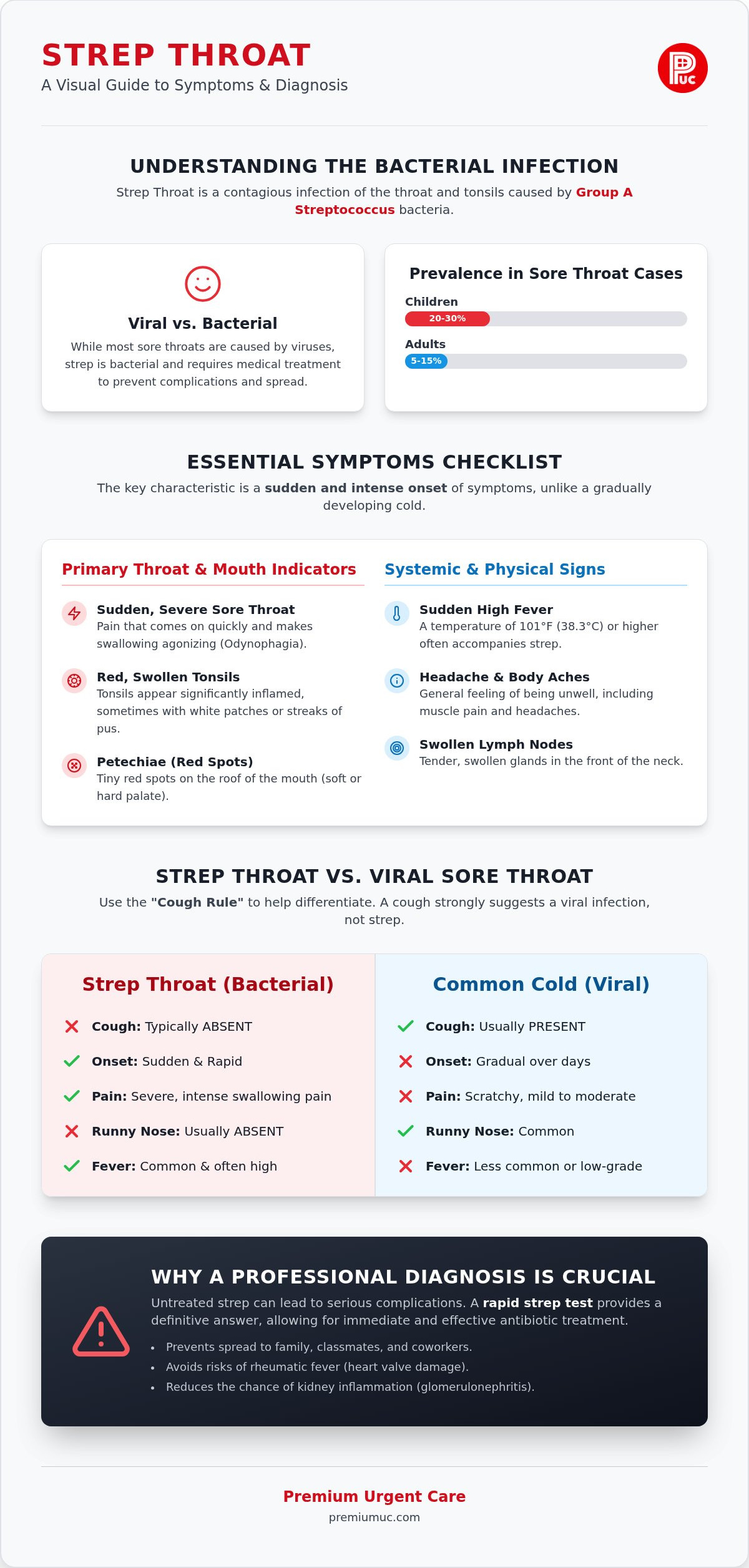
Strep throat is a clinical infection of the throat and tonsils caused by a specific strain of bacteria known as Group A Streptococcus. While many families in the Central Valley are accustomed to the scratchy throat that accompanies seasonal allergies or the common cold, Streptococcal pharyngitis is a distinct bacterial condition that requires a different level of care. It is estimated that while viruses cause the majority of sore throats, strep throat accounts for approximately 20 to 30 percent of cases in children and 5 to 15 percent in adults.
The primary difference between these conditions lies in the cause. Viral infections are typically self-limiting and resolve with rest, but a bacterial infection like strep will not improve without targeted intervention. Adopting a “watchful waiting” strategy is often risky when you suspect a bacterial cause. Without proper diagnosis and treatment, the bacteria remain active in the body, increasing the likelihood of spreading the illness to others and raising the risk of inflammatory complications. This infection is highly contagious, moving through households and workplaces via respiratory droplets produced during coughing or sneezing.
The Science of Group A Streptococcus
Group A Streptococcus bacteria are designed to colonize the mucous membranes of the throat and the lymphoid tissue of the tonsils. Once the bacteria take hold, they release enzymes and toxins that trigger a robust inflammatory response from your immune system. This reaction leads to the characteristic swelling and intense pain associated with strep throat symptoms. Interestingly, some individuals function as “carriers.” These people harbor the bacteria in their systems without feeling ill themselves, yet they remain capable of transmitting the infection to classmates or family members who may develop a more severe reaction.
How Strep Spreads in the Central Valley
In our local communities, from Fresno County schools to busy offices in Clovis and Selma, the bacteria thrive in environments where people are in close proximity. The incubation period for the infection is usually two to five days. This means a person can be exposed on a Monday and not show signs of illness until later in the week. To protect your family, it’s vital to practice disciplined hygiene. Focus on these preventive measures:
- Wash hands thoroughly with soap and water after being in public spaces.
- Avoid sharing drinking glasses, water bottles, or eating utensils.
- Sanitize high-touch surfaces like doorknobs and light switches if someone in the home is ill.
Because the bacteria can survive on surfaces for a limited time, these simple steps are effective tools for maintaining health in a shared environment.
The Essential Strep Throat Symptoms Checklist
Recognizing strep throat symptoms requires more than just noting a sore throat. The most telling characteristic is the speed at which the pain arrives. Unlike a viral cold that typically develops gradually over several days, strep often presents with a sudden, intense onset. One hour you feel fine; the next, swallowing becomes agonizing. This rapid progression is a hallmark of the Group A Streptococcus infection and serves as a primary indicator for families in Clovis and Fresno to seek clinical evaluation.
A definitive diagnosis is necessary because bacterial infections require specific medical management. While home observation is helpful, visual markers inside the mouth provide the most reliable evidence for parents and caregivers. If you suspect an infection, use a checklist to categorize what you’re seeing and feeling before visiting a provider.
Primary Throat and Mouth Indicators
When examining the throat, look for specific clinical markers that suggest a bacterial cause. Odynophagia, or severe pain when swallowing, is often the first and most persistent complaint. If you use a flashlight to inspect the back of the mouth, you may observe several visual cues:
- Red, swollen tonsils that appear significantly inflamed.
- White patches or streaks of pus (exudate) on the surface of the tonsils.
- Petechiae, which are tiny red spots on the soft or hard palate (the roof of the mouth).
These physical changes are the body’s direct response to bacterial colonization. While not every patient displays white patches, the presence of petechiae is highly suggestive of strep rather than a viral infection. If these visual signs are present, seeking Rapid Strep Testing and Treatment is the most efficient way to confirm the diagnosis and begin recovery.
Systemic and Physical Signs
Because strep is a systemic bacterial infection, it often affects more than just the throat. A sudden high fever, typically 101°F or higher, is a common accompanying sign. You should also check the front of the neck for swollen, tender lymph nodes. These glands often feel like small, firm lumps that are sensitive to the touch when you apply light pressure.
In children, strep throat symptoms can be less localized. It’s common for pediatric patients to complain of a headache, stomach pain, or even nausea and vomiting without having a significant cough. If you’re noticing these specific indicators in your household, it’s a good idea to consult with a professional provider at one of our Central Valley locations for a definitive evaluation and to prevent the spread of infection.
Strep vs. Viral Sore Throat: Differentiating the Cause
Distinguishing between a viral infection and a bacterial one is a frequent challenge for families. While both conditions cause discomfort, the presence or absence of specific respiratory signs is often the most reliable clue. Clinicians often rely on the “Cough Rule” as a primary screening tool. If your sore throat is accompanied by a cough, runny nose, or hoarseness, the cause is almost certainly a virus. Strep throat typically does not involve these “wet” respiratory symptoms; it’s a “dry” infection focused primarily on the throat and tonsils.
Because the treatments for these conditions differ significantly, understanding these nuances is vital. Viruses don’t respond to antibiotics, making proper identification the first step in responsible medical care. While you can monitor these signs at home, a clinical test remains the only definitive way to confirm the presence of bacteria.
The Viral Signature: Cough and Runny Nose
Viral infections, such as the common cold, usually develop gradually over several days. You might notice a slight tickle in the throat that slowly progresses into nasal congestion and a mild fever. These “wet” symptoms are your body’s way of clearing a viral pathogen. Most viral sore throats are self-limiting and resolve with rest and hydration within three to five days. In contrast, strep throat symptoms appear abruptly. The lack of a cough combined with a rapid increase in pain intensity strongly suggests a bacterial origin rather than a standard cold.
Central Valley Factors: Allergies and Dust
Living in the Central Valley presents unique diagnostic hurdles. In cities like Fresno and Selma, seasonal allergies and high particulate matter in the air frequently cause throat irritation. This “scratchy” sensation is often the result of post-nasal drip, where excess mucus from the sinuses drains down the back of the throat. Allergy-induced discomfort is usually itchy and persistent, whereas the pain from strep is sharp and localized. If your throat pain is paired with itchy eyes or sneezing, it’s likely an environmental reaction to local pollen or dust. However, if the pain is sharp and swallowing is difficult, you should seek a professional evaluation.
There is also a significant overlap between flu symptoms and bacterial infections. Both can cause high fevers, body aches, and exhaustion. Because the flu requires different management than a bacterial infection, you shouldn’t rely on guesswork. A rapid diagnostic test provides the clarity needed to start the correct treatment plan, ensuring you don’t stay ill longer than necessary or inadvertently spread a contagious infection to your community.
When Strep Throat Becomes an Emergency: Red Flags
While most bacterial infections are manageable with prompt clinical care, ignoring persistent strep throat symptoms can lead to severe health outcomes. It’s vital to recognize when a standard sore throat transitions into a medical emergency. If you or a family member experiences difficulty breathing, significant drooling because swallowing is impossible, or a muffled “hot potato” voice, seek immediate medical evaluation. These signs often indicate a peritonsillar abscess, which is a collection of pus that forms near the tonsils, causing extreme swelling and potential airway obstruction.
Disciplined adherence to medical advice is the most effective way to prevent these escalations. If a provider prescribes antibiotics, you must finish the entire course even if you begin to feel better after forty-eight hours. Stopping medication early allows the strongest bacteria to survive, which can lead to a recurrence of the infection or the development of systemic complications that affect the heart and kidneys.
Complications of Untreated Infection
Untreated Group A Streptococcus can trigger inflammatory responses throughout the body. Rheumatic Fever is a serious condition that may develop weeks after the initial throat infection, potentially causing permanent damage to heart valves and painful swelling in the joints. Another risk is post-streptococcal glomerulonephritis, a specific type of kidney inflammation that affects the organ’s ability to filter waste from the blood. These complications are preventable with timely upper respiratory infection treatment.
Pediatric Warning Signs
Children often present with unique indicators that require a high level of vigilance from parents. Watch for excessive drooling or a complete refusal to drink fluids, as dehydration can occur rapidly when swallowing is painful. Significant lethargy or a change in mental alertness are also critical warning signs. Additionally, some strains of the bacteria produce a toxin that causes Scarlet Fever. This condition is characterized by a “sandpaper rash” that feels rough to the touch and typically appears on the chest and abdomen before spreading. Recent data shows that scarlet fever diagnoses peaked in early 2024, highlighting the need for careful monitoring of pediatric strep throat symptoms.
If you notice any of these red flags or if a high fever persists despite home care, professional intervention is necessary. You can visit Premium Urgent Care for a comprehensive evaluation and rapid diagnostic testing to ensure your family receives the appropriate level of care.
Rapid Strep Testing and Treatment in Clovis, Selma, and Fresno
When home observation confirms the presence of strep throat symptoms, the next logical step is clinical verification. Many families face a difficult choice between waiting days for a primary care appointment or enduring the long wait times and high costs of an emergency room. Choosing a specialized urgent care center bridges this gap. It provides high-level diagnostic capabilities with the convenience of a walk-in model, ensuring you receive a definitive answer without unnecessary delay.
A clinical diagnosis is the only way to distinguish between a viral sore throat and a bacterial infection that requires antibiotics. Guessing can lead to the overuse of medication for viruses or, conversely, leaving a bacterial threat untreated. Professional evaluation provides the clarity needed to protect both the patient and the wider Central Valley community.
The Testing Process: What to Expect
A visit for a suspected bacterial infection is designed to be efficient and methodical. The process follows a structured path to ensure accuracy:
- Step 1: Clinical Evaluation. A provider examines the throat for the visual markers mentioned earlier and checks the lymph nodes for swelling and tenderness.
- Step 2: The Throat Swab. This involves a quick swipe of the tonsils and the back of the throat. While it causes brief discomfort or a gag reflex for a few seconds, it’s a necessary step to collect the bacteria for analysis.
- Step 3: Rapid Results. We utilize the Rapid Antigen Test, which identifies the presence of Group A Streptococcus within minutes.
If the rapid test returns a positive result, treatment can begin immediately. In specific cases, particularly for pediatric patients where the rapid test is negative but clinical suspicion remains high, a throat culture may be performed. This involves sending a sample to a laboratory to see if bacteria grow over the next twenty-four to forty-eight hours, ensuring no infection is overlooked.
Why Choose Premium Urgent Care?
Premium Urgent Care offers a disciplined approach to acute respiratory care across our locations in Clovis, Selma, and Fresno. Led by Medical Director Dr. Erick Green, our clinics provide a professional and reassuring environment where patients are treated with clinical authority. We focus on getting you diagnosed and starting your recovery in a single visit, which is a significant advantage over the unpredictable environment of a hospital emergency department.
Our facilities are specifically equipped to handle upper respiratory infections and sore throats without the need for an appointment. This accessibility ensures that you can address strep throat symptoms before they lead to the complications discussed earlier. If you or a family member are experiencing sharp throat pain or a high fever, visit one of our Fresno County locations today for rapid testing and expert care.
Protecting Your Family with Timely Clinical Care
Distinguishing between a viral sore throat and a bacterial infection is the first step toward an effective recovery. By identifying the sudden onset of strep throat symptoms and monitoring for visual indicators like tonsillar exudate or petechiae, you can make informed decisions for your family’s health. Timely intervention is the most reliable way to prevent the spread of infection within your household and avoid the risk of inflammatory complications that can affect the heart or kidneys.
For definitive answers and a professional treatment plan, Visit Premium Urgent Care for a Rapid Strep Test in Clovis, Selma, or Fresno. Our facilities, led by Medical Director Dr. Erick Green, provide specialized care for acute respiratory infections in a disciplined and reassuring environment. We prioritize your time and well-being by offering walk-in availability at all three Central Valley locations, allowing you to bypass the long wait times of local emergency rooms.
Taking action early ensures a faster return to your daily routine and provides peace of mind during the recovery process. We remain committed to serving our local community with high standards of medical excellence and accessible care whenever your family needs support.
Frequently Asked Questions
How long is strep throat contagious after starting antibiotics?
Patients are generally no longer contagious twenty-four hours after starting the appropriate antibiotic therapy. It’s also vital that you’ve been fever-free for at least one full day without the use of fever-reducing medications. For families in Clovis or Fresno, this timeline is the standard requirement for returning to school or childcare. Always finish the prescribed course to ensure the bacteria are fully eradicated from your system and won’t spread to others.
Can I have strep throat without a fever?
Yes, it’s possible to experience strep throat symptoms without a high temperature. While a fever of 101°F or higher is a common indicator, some individuals, particularly adults, may only present with severe throat pain and swollen lymph nodes. Because a lack of fever doesn’t rule out a bacterial infection, a clinical swab is necessary to confirm the diagnosis and prevent the illness from spreading to coworkers or family members in your household.
What does a strep throat rash (Scarlet Fever) look like?
A strep-related rash, known as Scarlet Fever, typically feels like sandpaper and consists of small, red bumps. It usually appears first on the neck, chest, and groin before spreading across the body. In the skin folds of the armpits or elbows, the rash may form dark red streaks. This specific skin reaction is caused by a toxin produced by the bacteria and requires immediate medical attention at a walk-in clinic to begin treatment.
Is it possible to have strep throat and a cough at the same time?
While it’s technically possible to have two infections simultaneously, a cough is usually a sign of a viral illness rather than strep. The “Cough Rule” suggests that if you have a runny nose and a persistent cough, your sore throat is likely viral. Strep is a localized bacterial infection of the throat and tonsils. If you’re unsure, a rapid test in Selma or Fresno can provide a definitive answer within minutes.
Why do I need to finish my antibiotics if I feel better after two days?
You must complete the full course of antibiotics to ensure every bacterium is destroyed. Stopping early often leaves behind the most resilient bacteria, which can lead to a more severe recurrence or antibiotic resistance. More importantly, finishing the medication is the primary way to prevent serious inflammatory complications like Rheumatic Fever. Even if you feel healthy after forty-eight hours, the bacteria may still be present in your tissues and require the full dosage.
Can strep throat go away on its own without medical treatment?
Strep throat may occasionally resolve on its own, but the risks of forgoing treatment are significant. Without antibiotics, the bacteria can remain active, increasing the window of contagiousness and the likelihood of developing kidney inflammation or heart valve damage. Seeking professional care at an urgent care center ensures you receive the necessary medication to shorten the duration of the illness and protect your long-term health from preventable complications that can arise from untreated infections.
How do I distinguish between strep throat and Valley Fever symptoms?
Valley Fever is a fungal infection caused by spores in Central Valley soil, while strep is a bacterial infection. Strep throat symptoms are localized to the throat with sudden, sharp pain. Valley Fever typically presents with a persistent cough, profound fatigue, and chest pain. If you’re experiencing a sore throat without the heavy respiratory fatigue common in Valley Fever, you should visit a Fresno County provider for a rapid diagnostic swab to confirm the cause.
What should I do if my child keeps getting recurrent strep throat?
If your child experiences recurrent infections, you should consult with a medical professional to identify potential “carriers” in the home. Sometimes a family member harbors the bacteria without showing symptoms, leading to a cycle of reinfection. A provider can also evaluate if the infections are truly strep or if an underlying issue is making your child more susceptible. Consistent handwashing and replacing toothbrushes after an infection are vital preventive measures for families in Selma and Clovis.