

By late August 2026, flu-like illness activity in California had already reached a moderate level, with 2.0% of outpatient visits tied to respiratory issues. When you wake up with a sudden high fever and deep body aches, the physical discomfort is often matched by the anxiety of missing work or school. It’s difficult to determine if your flu symptoms are actually the flu, the latest COVID-19 variant, or simply a reaction to the Central Valley’s seasonal allergies.
We understand that you need clarity and rapid relief without the frustration of waiting days for a primary care appointment. This article will help you identify your symptoms quickly and explain exactly when to visit Premium Urgent Care for diagnostic testing and treatment. You’ll learn about the updated 2026-2027 vaccine composition targeting the A(H3N2) subclade K virus and the specific warning signs that indicate it’s time for professional medical intervention in Fresno, Clovis, or Selma. Our goal is to provide a clear, logical path toward recovery so you can return to your routine with confidence.
Key Takeaways
- Recognize the sudden onset of high fever and body aches as primary flu symptoms to distinguish them from the gradual progression of a common cold.
- Understand why professional diagnostic testing is necessary to accurately differentiate between influenza and COVID-19 during the 2026 respiratory season.
- Identify when symptoms require medical intervention, particularly for high-risk individuals and those whose condition does not improve within three to five days.
- Benefit from the convenience of walk-in evaluations and expert treatment at our locations in Fresno, Clovis, and Selma.
- Discover practical home care strategies and isolation techniques to protect multi-generational households during the recovery process.
Common Flu Symptoms: Recognizing the Signs in 2026
Influenza is a contagious respiratory infection that aggressively targets the nose, throat, and lungs. It isn’t just a severe cold; it’s a systemic viral attack that demands a disciplined response. For a comprehensive overview of influenza, researchers note that the virus’s ability to mutate makes early recognition of flu symptoms essential for effective management. Understanding these signs helps you make informed decisions about when to seek professional care.
The Sudden Onset of Influenza
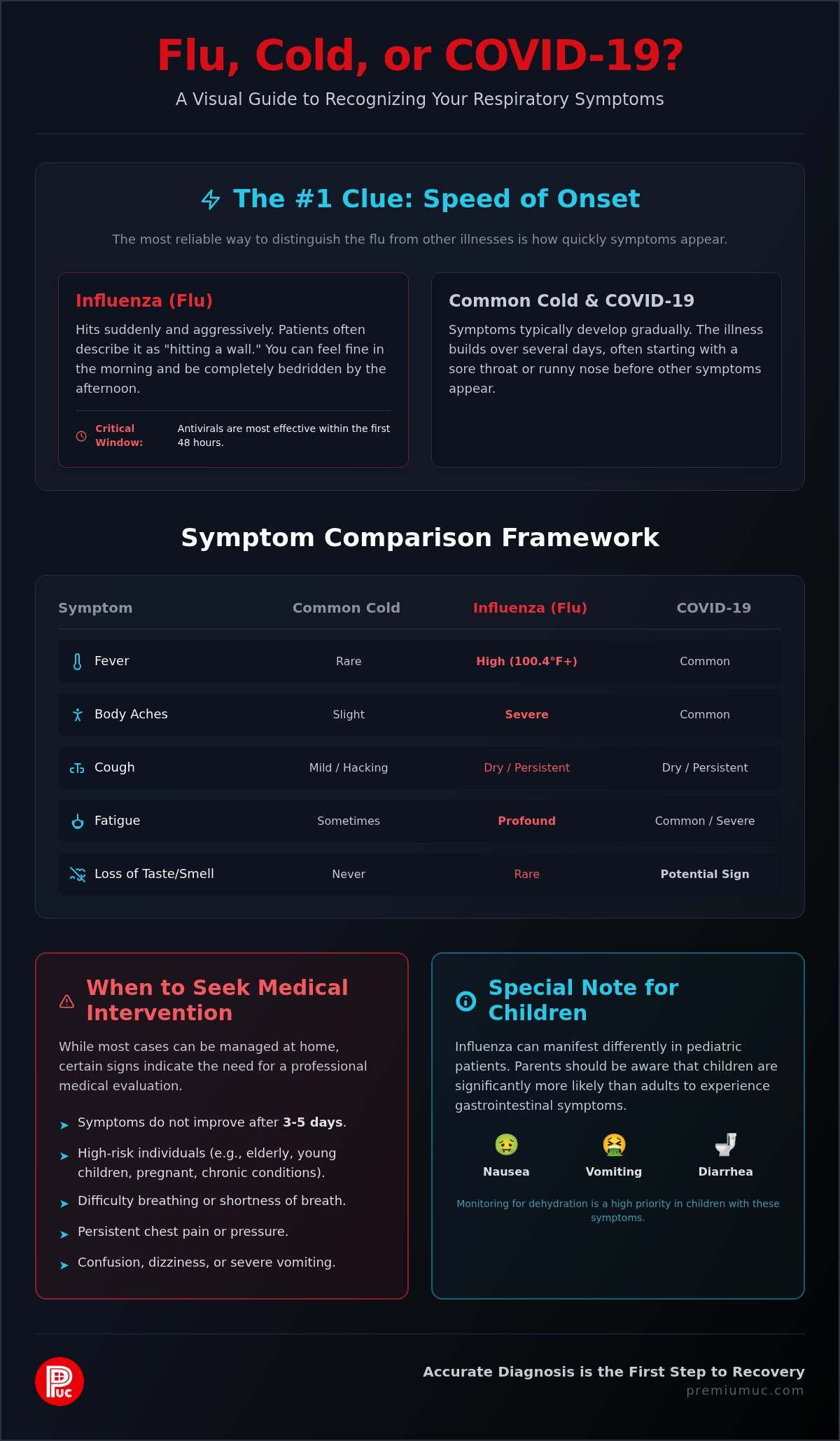
The flu doesn’t linger or build slowly. It hits with a suddenness that patients often compare to “hitting a wall.” You might feel perfectly fine during your morning routine and find yourself completely bedridden by the afternoon. This rapid onset is the most reliable way to distinguish the flu from a common cold, which typically develops over several days. Seeking medical evaluation during the first 48 hours is critical. This timeframe is the optimal window for antiviral medications to be effective. These treatments work by inhibiting the virus’s ability to replicate, but they lose their impact if you wait too long. It’s also a common misconception that a fever is mandatory. While many experience a high fever of 100.4°F or higher accompanied by chills, some individuals fight the infection without a significant spike in temperature.
Physical vs. Respiratory Symptoms
Clinicians divide the patient experience into systemic and localized categories. Systemic symptoms are those that impact your entire body, such as deep muscle aches, chills, and persistent headaches. Localized symptoms are concentrated in the respiratory tract, presenting as a dry, hacking cough or a sore throat. In the context of influenza, fatigue is a total lack of energy that prevents daily activities. It’s much more than just feeling tired; it’s a profound exhaustion that makes even simple tasks feel impossible. These flu symptoms can linger for weeks, even after the initial infection has cleared.
Age often dictates how the virus manifests. Children are significantly more likely to experience gastrointestinal distress than adults. It’s common for pediatric patients to suffer from nausea, vomiting, and diarrhea in addition to traditional respiratory issues. This makes monitoring hydration a high priority for parents in Fresno and the surrounding communities. Whether you’re dealing with a persistent cough or severe body aches, recognizing these patterns early allows for a faster path to recovery.
Flu vs. Cold vs. COVID-19: How to Tell the Difference
Respiratory symptoms are often deceptive because many different viruses target the same areas of the body. While you might try to self-diagnose at home, the significant overlap between various infections makes an accurate clinical diagnosis essential for proper treatment. Colds generally present as milder infections, rarely resulting in the high fevers or severe muscle aches associated with the flu. COVID-19 adds another layer of complexity, as it shares many characteristics with influenza but may include a loss of taste or smell and different respiratory patterns. The CDC provides a detailed breakdown of Cold versus flu symptoms to help patients understand these nuances.
Symptom Comparison Framework
To help you categorize what you’re feeling, consider how the illness began and which symptoms are most prominent. The sudden onset of flu symptoms remains the most reliable indicator of influenza. While a cold or COVID-19 might linger and build over several days, the flu typically arrives within hours.
| Symptom | Common Cold | Influenza (Flu) | COVID-19 |
|---|---|---|---|
| Fever | Rare | High (100.4°F+) | Common |
| Body Aches | Slight | Severe | Common |
| Cough | Mild/Hacking | Dry/Persistent | Dry/Persistent |
| Onset | Gradual | Sudden | Gradual/Sudden |
In the Central Valley, we often face a “triple threat” during the colder months when influenza, COVID-19, and various cold viruses circulate simultaneously. This convergence makes it nearly impossible to distinguish between them without a professional evaluation.
The Central Valley Factor: Allergies and Dust
Environmental factors in Fresno County often complicate the diagnostic picture. Our local air quality and seasonal agricultural dust can trigger respiratory irritation that mimics early flu symptoms. However, allergies typically lack the systemic, whole-body impact of a virus. If you’re experiencing itchy eyes and a runny nose without a fever or deep muscle aches, it’s likely an environmental reaction or a minor cold rather than the flu. Since a lack of fever usually points toward allergies, monitoring your temperature is a helpful first step in self-assessment. If you’re unsure which condition is affecting you, Premium Urgent Care provides professional evaluations to give you peace of mind and an accurate path to recovery.
When to Seek Urgent Care for Flu Symptoms
Identifying the point where home management is no longer sufficient is a critical step in your recovery process. Most healthy adults observe a gradual improvement in their condition within three to five days. If your flu symptoms persist beyond this window or begin to worsen after an initial period of relief, a clinical evaluation is necessary to rule out secondary complications. This proactive approach ensures that minor respiratory issues don’t escalate into more serious health concerns.
High-Risk Categories for Flu Complications
Certain populations face a significantly higher probability of developing severe complications, such as pneumonia or bronchitis, following an influenza infection. We recommend that individuals in these high-risk categories seek medical advice at the first sign of illness rather than waiting for symptoms to peak. High-risk groups include:
- Adults aged 65 and older, who may have weakened immune systems.
- Children under the age of 5, particularly those under 2 years old.
- Pregnant women or those who have recently given birth.
- Individuals with chronic health conditions, such as asthma, diabetes, or heart disease.
For those living with chronic respiratory issues like asthma, influenza can trigger severe inflammatory flares that make it difficult to maintain normal breathing. Early intervention and diagnostic testing can significantly reduce the risk of hospitalization for these vulnerable community members. It’s better to verify the cause of your aches early than to risk a prolonged and dangerous recovery period.
Urgent Care vs. Emergency Room
Choosing between an urgent care facility and an emergency room depends entirely on the severity of the clinical presentation. Urgent care is the appropriate choice for managing non-life-threatening issues. This includes a persistent fever, painful swallowing, or the need for a formal flu test for work or school clearance. Premium Urgent Care in Clovis, Selma, and Fresno provides immediate walk-in consultations, serving as a reliable bridge between home recovery and the emergency department.
In contrast, certain “red flag” signs indicate a medical emergency that requires immediate hospital intervention. You should go directly to an emergency room if you experience any of the following:
- Difficulty breathing or severe shortness of breath.
- Persistent pain or pressure in the chest.
- Sudden confusion or an inability to wake or stay awake.
- Bluish lips or face, which suggests a critical lack of oxygen.
For most standard flu symptoms, our clinics offer the diagnostic expertise needed to confirm your condition and provide a structured treatment plan. By choosing the correct level of care, you ensure that hospital resources remain available for life-threatening emergencies while you receive the focused attention you need for a safe recovery.
Diagnostic Testing and Treatment at Premium Urgent Care
When flu symptoms appear, waiting several days for a scheduled appointment with a primary care physician can delay critical intervention. We provide walk-in evaluations at our Fresno, Clovis, and Selma locations to ensure you receive a professional diagnosis the same day you feel ill. Our clinics are designed for efficiency and high-level care, prioritizing acute respiratory infections to help you manage the virus before it escalates. This streamlined approach allows us to deliver clinical expertise without the administrative delays of traditional medical offices.
The diagnostic process begins with a disciplined intake where our medical staff collects your history and records vital signs, including temperature and oxygen levels. We utilize rapid diagnostic testing to confirm the presence of the virus. This involves a simple nasal swab that provides results within minutes, allowing our providers to distinguish between Influenza A and B. This precision is vital because it dictates the specific course of treatment and helps rule out other circulating viruses like COVID-19.
What to Expect During Your Visit
Our clinical environment is professional and welcoming, focused on providing a thorough evaluation in a steady, organized manner. During the physical exam, a provider will check your ears and throat for inflammation and listen to your lung sounds to rule out secondary complications like bronchitis. We understand the logistical pressures of illness, so we also provide comprehensive worker’s comp evaluations if your condition is work-related. This ensures you have the necessary medical documentation for your employer while receiving high-standard care.
Flu Treatment and Antiviral Medications
Effective management of flu symptoms often involves a combination of prescription and over-the-counter strategies tailored to your specific health profile. If you arrive within the critical 48-hour window of symptom onset, our providers can prescribe antiviral medications like Tamiflu. These medications are highly effective at shortening the duration of the illness and reducing the risk of severe complications. For patients who have been ill longer, we focus on aggressive supportive care to alleviate discomfort and prevent dehydration.
Our commitment to acute care means we focus on getting you back to your daily routine as safely and quickly as possible. We provide clear, declarative guidance on medication dosage and recovery milestones to support your body’s natural immune response. If you are ready for a professional evaluation and rapid testing, visit Premium Urgent Care today for a walk-in consultation at any of our three locations.
Home Care and Preventing the Spread in Your Community
Recovery starts with a disciplined approach to rest and hydration. Once a clinician has evaluated your flu symptoms, your primary responsibility is to allow your immune system to function without additional stress. Water, broth, and electrolyte solutions help maintain fluid balance, especially if you’re managing a high fever. Rest isn’t merely a suggestion; it’s a clinical requirement for a faster recovery. By reducing physical activity, you allow your body to direct its energy toward fighting the viral infection.
In many Fresno households, multi-generational living is a common and valued tradition. However, this proximity requires extra care to prevent the virus from spreading to vulnerable seniors or young children. If possible, designate a specific room and bathroom for the ill family member. High-touch surfaces like doorknobs, light switches, and remote controls should be sanitized daily with disinfectants. Frequent handwashing with soap and water for at least 20 seconds remains one of the most effective ways to break the chain of infection within a home.
Returning to your daily routine requires patience and adherence to public health standards. The standard clinical guideline is the 24-hour fever-free rule. You should stay home until at least 24 hours after your fever has subsided naturally without the use of fever-reducing medications. This ensures you’re no longer contagious and protects your colleagues and classmates in Clovis or Selma from unnecessary exposure.
Practical Recovery Tips
Managing fever and congestion at home involves a combination of over-the-counter support and environmental adjustments. Humidifiers can help soothe irritated airways, while saline nasal sprays offer relief for localized congestion. It’s important to monitor your progress closely. If your flu symptoms return with a high fever after appearing to improve, you should follow up with our providers immediately. For more detailed information on managing similar conditions, you can read our Upper Respiratory Infections guide.
Protecting the Clovis, Selma, and Fresno Communities
Protecting the health of our Central Valley neighbors is a shared responsibility. We encourage all residents to stay home at the first sign of respiratory illness to prevent community-wide outbreaks. Once you’ve fully recovered and are no longer contagious, our clinics are available for other routine medical needs. We provide sports physicals and work physicals to help you transition back into your active lifestyle or professional duties with a clean bill of health.
Visit Premium Urgent Care for a walk-in flu evaluation today.
Securing Your Path to Recovery in the Central Valley
Differentiating between sudden flu symptoms and other respiratory illnesses is the first step toward effective management. As we’ve discussed, the rapid onset of fever and body aches requires a disciplined response to prevent the virus from spreading within your household. Accurate diagnostic testing within the first 48 hours remains the most reliable way to shorten the duration of the illness and avoid secondary complications like bronchitis. By identifying the specific virus early, you can begin a targeted treatment plan that supports your body’s natural immune response.
Led by Medical Director Dr. Erick Green, our clinics provide expert care for respiratory infections and minor procedures. Walk-ins are always welcome at our facilities, ensuring you receive high-level medical attention without the frustration of waiting for a primary care appointment. We prioritize clinical excellence and a patient-centered approach to help you return to your routine with confidence. It’s our goal to provide the professional guidance and rapid results you need for a safe recovery. Find a Premium Urgent Care location near you in Fresno, Clovis, or Selma today. Our team is ready to support you and your family through this respiratory season.
Frequently Asked Questions
How long do flu symptoms typically last?
Flu symptoms generally persist for one to two weeks, though the most severe phase usually peaks within the first three to five days. While fever and muscle aches often subside quickly, a dry cough and profound fatigue can linger for several additional days. It’s important to monitor your recovery closely during this period. If your condition does not show steady improvement after a week, a follow-up evaluation at one of our clinics is recommended.
Is the flu contagious before symptoms appear?
Yes, you can spread the virus before you realize you’re sick. Most healthy adults are contagious starting one day before their symptoms develop and remain so for up to seven days after becoming ill. This overlap makes preventative measures like frequent handwashing and surface sanitization essential in Fresno households. If you’ve been exposed to someone with the flu, monitor your health closely and isolate at the first sign of physical discomfort.
Can I have the flu without a fever?
High fever is a hallmark indicator of the virus, but it’s entirely possible to have the flu without a temperature spike. Some patients, particularly older adults or those with specific immune system profiles, may only experience respiratory issues and severe body aches. Because flu symptoms vary between individuals, you shouldn’t rely on a thermometer alone to determine the severity of your illness. A professional diagnostic test is the only way to confirm an influenza infection.
What is the difference between flu and a bad cold?
The primary differences are the intensity and the speed of onset. A cold typically develops gradually over several days and causes minor congestion or a sore throat. In contrast, the flu arrives suddenly and causes systemic issues like high fever, chills, and debilitating exhaustion. In the Fresno area, it’s also common for seasonal allergies to mimic cold symptoms, but they rarely cause the deep muscle aches associated with a true influenza infection.
When is the best time to take a flu test?
You should seek a diagnostic evaluation within the first 48 hours of feeling ill. This early window is critical because antiviral medications are most effective when started shortly after the virus begins to replicate. Testing early also helps you distinguish between the flu, COVID-19, or other respiratory infections common in the Central Valley. Our providers use rapid nasal swabs to provide you with clear answers and a structured treatment plan during your visit.
Does Premium Urgent Care offer walk-in flu testing in Fresno?
Premium Urgent Care provides walk-in flu evaluations and rapid testing at all three of our locations in Fresno, Clovis, and Selma. You don’t need an appointment to see a provider or receive a diagnostic swab. Our clinics are designed to handle acute respiratory infections efficiently, helping you avoid the long wait times often found in emergency rooms. We focus on providing the immediate care you need to begin your recovery process without delay.
Can I get a flu shot and flu treatment at the same location?
Our clinics specialize in the diagnostic evaluation and treatment of acute flu and COVID-related illnesses. We provide comprehensive consultations to manage your recovery and can prescribe antivirals when appropriate. While our primary focus is on treating active infections and minor procedures, we recommend contacting our Fresno, Clovis, or Selma offices directly to verify the current daily availability of seasonal flu shots. This ensures you receive the most up-to-date preventative or acute care required.
What should I do if my flu symptoms come back after getting better?
If your symptoms return with a high fever after you seemed to be recovering, you should seek a medical evaluation immediately. This rebound effect can be a sign of a secondary bacterial infection, such as pneumonia, bronchitis, or a severe sinus infection. Our medical team, led by Dr. Erick Green, can perform a thorough physical exam to listen to your lungs and determine if you need a different course of treatment to address these complications. Because flu symptoms can lead to serious issues, early intervention is vital. If you are also experiencing intense throat pain alongside your returning fever, reviewing the strep throat symptoms checklist for Central Valley families can help you determine whether a bacterial throat infection may be contributing to your condition.