
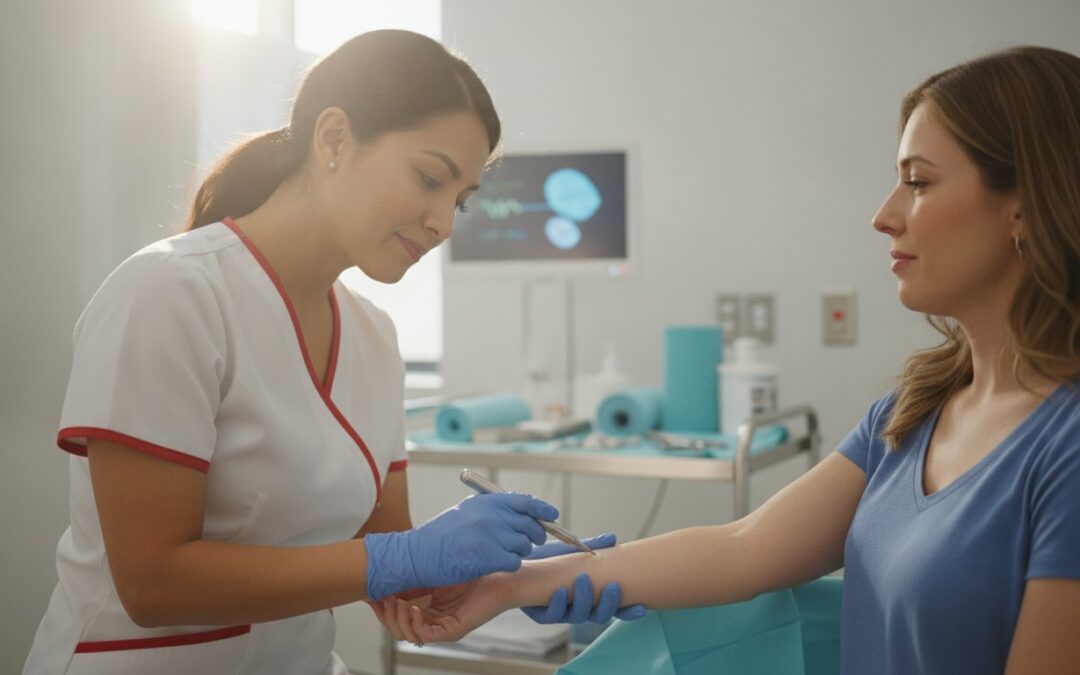
The most dangerous thing you can do for a painful skin infection is attempt to treat it with a “bathroom surgery” approach. While the urge to relieve that intense, throbbing pressure is understandable, at-home popping often drives bacteria deeper into the subcutaneous fat or your bloodstream. We recognize the significant localized pain and anxiety you’re feeling right now. A professional abscess incision and drainage is the safest, most effective way to resolve the infection and provide immediate relief. It’s a routine procedure that demands a high level of clinical discipline to ensure the infection doesn’t spread or recur.
This guide explains exactly when a skin infection requires medical intervention and what you can expect during the clinical process. You’ll learn how our clinicians use advanced tools like point-of-care ultrasound, which offers a 95% to 98% sensitivity for identifying drainable fluid, to ensure your treatment is precise and effective. We’ll also provide clear instructions for home care and explain why modern standards have moved away from painful gauze packing. Our goal is to provide a transparent, logical flow of information that helps you move from acute pain to a state of confident recovery while minimizing the risk of scarring or systemic complications.
Key Takeaways
- Learn to identify “fluctuance” and other clinical signs that indicate a skin infection has progressed to a point requiring professional medical intervention.
- Understand the sterile, step-by-step process of abscess incision and drainage, including the use of local anesthetics to ensure patient comfort.
- Discover the medical risks associated with at-home popping and how professional care prevents the spread of infection to surrounding tissues.
- Gain clear instructions for post-procedure wound care and bandage management to ensure a smooth recovery within the first 48 hours.
- Explore how local urgent care clinics in Fresno, Clovis, and Selma provide a faster, more professional alternative to the emergency room for minor procedures.
Understanding Skin Abscesses and When I&D is Required
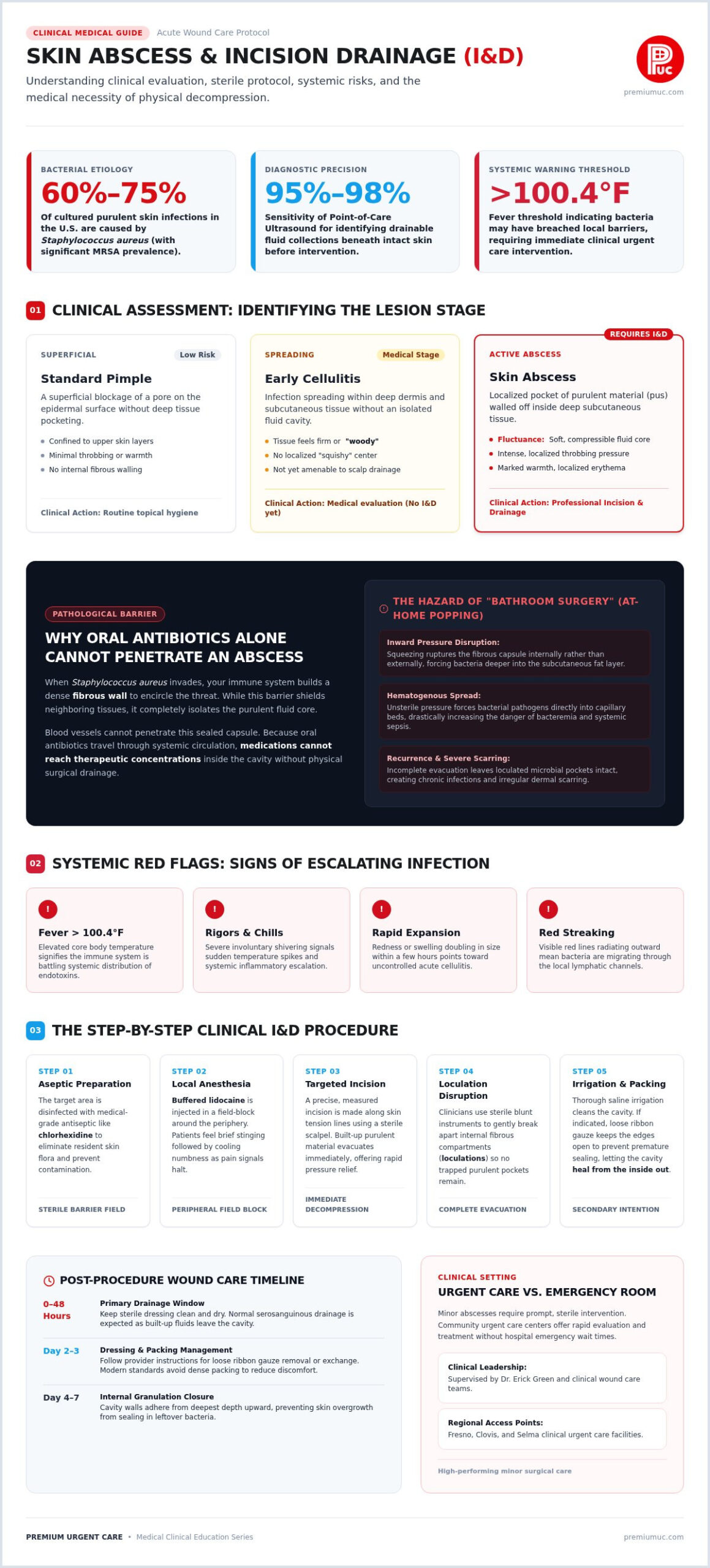
A skin abscess is a localized collection of purulent material, or pus, that accumulates within the tissue during an active infection. It’s a physical manifestation of the body’s immune response. Most often, these infections are driven by Staphylococcus aureus. Research indicates that this bacterium is responsible for 60% to 75% of cultured purulent skin infections in the U.S., with a significant portion identified as MRSA. When bacteria invade, the body creates a fibrous wall to contain the threat. This protective barrier is highly effective at stopping the spread, but it also prevents oral antibiotics from reaching the core of the infection. Consequently, a clinical incision and drainage procedure is often the only way to physically remove the debris and allow the tissue to heal properly.
Abscess vs. Standard Pimple
Distinguishing an abscess from a common pimple is vital for proper treatment. While a pimple is usually a superficial blockage of a pore, an abscess involves deeper inflammation characterized by warmth, significant swelling, and a distinct throbbing sensation. You should look for “streaking,” which appears as red lines migrating away from the infection site, as this suggests the bacteria may be moving toward the lymphatic system. Fluctuance is the primary clinical indicator that an abscess is ready for an abscess incision and drainage, as it signifies a reachable collection of fluid beneath the skin. If the area feels firm or “woody” without that squishy center, the infection may still be in the cellulitis stage and requires a different clinical approach.
When to Seek Urgent Care Immediately
Certain symptoms serve as red flags that the infection is becoming systemic. If you develop a fever over 100.4°F, experience rigors or chills, or see the redness doubling in size within a few hours, seek care immediately. Untreated abscesses can lead to extensive cellulitis or even sepsis if the bacteria breach the body’s internal defenses. For those living in Clovis, Selma, or Fresno, our clinics provide a disciplined and high-performing environment for acute wound management. Choosing urgent care in Fresno, CA allows you to receive expert intervention from Dr. Erick Green’s team much faster than a traditional emergency room visit. We prioritize efficient, professional care to ensure you get the pressure relief you need before the condition worsens into a more serious medical emergency.
The Incision and Drainage (I&D) Procedure: What to Expect
The clinical process for an abscess incision and drainage is methodical and designed to minimize discomfort. First, the clinician sterilizes the skin surface using a medical-grade antiseptic like chlorhexidine to prevent introducing new bacteria. Next, a local anesthetic, typically buffered lidocaine, is injected around the periphery of the abscess. You’ll feel a brief stinging sensation, followed by a cooling numbness as the medication blocks pain signals in the local nerves. Once the area is fully desensitized, the provider makes a precise, small incision using a sterile scalpel. This is the moment most patients describe as a “rush” of relief, as the built-up pressure finally dissipates.
After the initial drainage, the clinician gently explores the cavity with sterile instruments to break up internal pockets, known as loculations. This ensures no trapped infection remains. Following the clinical protocol for abscess incision and drainage, the site is thoroughly irrigated with saline. In some cases, a small amount of medicated ribbon gauze is loosely placed inside the cavity. This packing keeps the incision open so it can continue to drain, allowing the wound to heal from the inside out and preventing the skin from sealing over a lingering infection.
Managing Pain During the Procedure
Anxiety about pain is common, but the actual incision is very quick. The primary sensation you’ll experience isn’t sharp pain, but rather a significant reduction in the throbbing pressure that brought you into the clinic. Local anesthetics are highly effective, though the acidity of an active infection can sometimes slightly slow their onset. Our medical team monitors your comfort throughout the process, ensuring the area is sufficiently numb before proceeding. If you’re feeling overwhelmed by the pressure, scheduling an urgent care consultation can provide the professional intervention needed to stop the pain at its source.
Sterile Technique and Safety Standards
Safety is our highest priority during minor surgical procedures. We utilize single-use, sterile instruments and maintain a controlled environment that far exceeds what’s possible in a home setting. Clinical standards require the monitoring of vital signs and a professional assessment of the infection’s depth. This disciplined approach prevents secondary infections and ensures that any complications, such as excessive bleeding or deep tissue involvement, are managed immediately by trained medical staff. A sterile field is the best defense against recurrence and scarring.
Professional Drainage vs. At-Home Popping Risks
The danger of at-home popping lies in the physics of mechanical pressure. When you squeeze a localized infection, you don’t just push purulent material toward the surface; you also exert inward force that can rupture the internal fibrous wall. This allows bacteria to “seed” into deeper tissue planes or the bloodstream. Bathroom tools like needles, tweezers, or pins are never truly sterile, even if they’ve been cleaned with alcohol or a flame. Using these items introduces new, external contaminants into an already compromised area, which can lead to a secondary infection that’s much harder to treat. Seeking professional care for skin abscesses ensures the infection is managed without these avoidable risks.
Improper incision techniques at home frequently lead to permanent scarring. A ragged tear from squeezing or a jagged cut from a non-medical blade creates tissue trauma that the body struggles to repair cleanly. In contrast, a clinical abscess incision and drainage uses a precise, linear cut following the skin’s natural tension lines, which promotes better cosmetic outcomes. Professional intervention also prevents the abscess from recurring. Our clinicians don’t just drain the surface; they explore the cavity to break up internal pockets and irrigate the site thoroughly, ensuring no bacteria remain trapped behind to cause a repeat infection next week.
The Risk of Sepsis and Systemic Infection
If bacteria from an abscess enter the venous system, a localized problem can quickly escalate into a systemic crisis. This can lead to sepsis, a life-threatening medical emergency where the body’s immune response causes widespread inflammation. Signs that an infection has spread include a heart rate over 90 beats per minute, rapid breathing, or a high fever with chills. Choosing professional wound care in Fresno allows for the immediate identification of these red flags, protecting you from the dangerous complications of a DIY approach.
Proper Identification of the Infection
Many patients mistake sebaceous cysts, lipomas, or even certain types of tumors for simple boils. Squeezing a solid mass or an inflamed cyst won’t provide relief; instead, it causes severe inflammation and tissue damage. A medical provider uses physical examination and sometimes point-of-care ultrasound to confirm that a abscess incision and drainage is actually the correct course of action. MRSA requires specific clinical handling because its resistance to standard treatments and high risk of cross-contamination necessitate a disciplined, sterile approach that cannot be replicated in a home environment.
Aftercare and Recovery: Ensuring Proper Healing
The first 24 to 48 hours following an abscess incision and drainage are the most critical for preventing recurrence. During this initial window, it’s normal to see a small amount of serosanguinous fluid, a mix of blood and serum, draining into your bandage. This is a sign that the cavity is continuing to clear itself of residual infection. You should expect the intense, throbbing pressure to dissipate almost immediately, though the surrounding skin may remain tender as the inflammation subsides. If your clinician placed medicated packing inside the wound, you must return to the clinic within the specified timeframe, usually 24 to 48 hours, for a professional packing change or removal. Attempting to pull out packing at home can disrupt the healing tissue and lead to premature closure of the incision.
Consistency with your prescribed treatment plan is essential for a full recovery. If you were provided a course of antibiotics, finish the entire prescription even if the wound looks completely healed after three days. Stopping early allows the strongest bacteria to survive, which significantly increases the risk of a more resilient infection returning. We maintain a methodical follow-up process to ensure your recovery stays on track. If you have concerns about the appearance of your wound or need a professional dressing change, visit our clinic for expert aftercare support.
Home Care Instructions
Maintaining a sterile environment at home is your primary responsibility. Always wash your hands thoroughly with soap and water for at least 20 seconds before touching the area near the dressing. Change your bandages at least twice a day, or more frequently if they become damp or soiled. Healthy healing is characterized by a steady decrease in redness and swelling. Conversely, if you notice the redness expanding, develop a new fever, or see thick, foul-smelling discharge, these are signs of re-infection that require immediate clinical attention. You may manage minor post-procedure soreness with over-the-counter pain relievers as directed by your provider. For broader guidance on managing skin injuries at home, our complete first aid guide for cuts, wounds, and minor burns provides detailed 2026 clinical standards for wound cleaning and infection prevention.
Activity and Lifestyle Adjustments
Most patients can return to work or school within 24 hours, provided the abscess isn’t in a high-friction area. Avoid strenuous exercise or heavy lifting for the first two days to prevent tension on the incision site. When bathing, keep the wound dry for the first 24 hours. After that, you may gently wash around the site with mild, fragrance-free soap, but don’t submerge the wound in baths, hot tubs, or pools until the skin has fully closed. To prevent future abscesses, avoid sharing personal items like towels or razors, and maintain a disciplined skin hygiene routine, especially in areas prone to moisture and friction.
Expert Abscess Treatment at Premium Urgent Care
Premium Urgent Care, led by Medical Director Dr. Erick Green, operates with a steadfast commitment to clinical excellence and patient-centered care. Our medical team specializes in acute wound management, specifically performing abscess incision and drainage in a sterile, professional environment that prioritizes safety and precision. We recognize that skin infections are both physically painful and mentally taxing. By choosing our dedicated urgent care setting, you receive the same high-level expertise found in a hospital without the logistical hurdles or high costs of a large emergency department. Our facilities are specifically optimized for these minor outpatient procedures, as well as upper respiratory infection treatment, ensuring that every patient receives focused, efficient care from a team that takes its professional responsibilities seriously.
Local Access in the Central Valley
We’ve strategically placed our clinics to serve the Fresno, Clovis, and Selma communities, providing a reliable medical resource for the entire Central Valley. This local presence ensures that residents don’t have to travel far for professional medical intervention when an infection becomes unmanageable. Unlike traditional primary care offices that may require appointments weeks in advance, we offer a more responsive model of care:
- Walk-in Accessibility: No appointment is necessary for acute infection care.
- Centralized Locations: Easy access for patients in Fresno, Clovis, and Selma.
- Extended Availability: Our hours are designed to accommodate busy work and family schedules.
Our facilities are designed to be welcoming and calm, creating a patient-centered environment that helps reduce the procedural anxiety often associated with incisions or local anesthesia. We maintain a disciplined approach to medicine that balances high performance with a steadfast commitment to community service. Our personality as a trusted local expert means we remain deeply connected to our immediate surroundings while providing high-level medical care.
Streamlined Care for Minor Injuries
Efficiency is a hallmark of our clinical service model. Patients seeking help for a painful abscess often find that our wait times are significantly shorter than those at local hospital emergency rooms, which must prioritize life-threatening traumas. We focus on providing a transparent experience where communication is clear and logical. From the moment you arrive, we guide you through the clinical steps and provide detailed follow-up instructions to ensure a full recovery. Our team acts as a vital bridge between high-intensity medical environments and the personalized touch of a community-focused provider. If you’re currently experiencing localized pain, pressure, or redness, you can access our urgent care services in Fresno, CA for immediate help and expert guidance from a trusted local expert.
Prioritize Professional Care for Faster Recovery
Resolving a painful skin infection requires more than just patience; it demands a disciplined clinical approach to stop the infection at its source. Attempting to manage a deep infection at home often results in unnecessary tissue trauma and increased risks of systemic complications. By choosing a professional abscess incision and drainage, you ensure the area is properly sterilized, numbed, and cleared of all purulent material. This level of precision provides immediate pressure relief and significantly reduces the chance of the infection returning in the future.
Our medical team, led by Medical Director Dr. Erick Green, is dedicated to providing high-level wound care within a welcoming, community-focused environment. We offer specialized minor surgical procedures across our clinics in Clovis, Selma, and Fresno, providing a faster and more efficient alternative to the local emergency room. Don’t let localized pain and pressure disrupt your daily life. Walk in today for professional abscess care at Premium Urgent Care and take the first step toward a safe, healthy recovery. We’re here to provide the expert support you need to feel your best again.
Frequently Asked Questions
Is abscess incision and drainage painful?
While the thought of an incision causes anxiety, the procedure is designed to provide immediate relief. We use local anesthetics like buffered lidocaine to numb the infection site before starting. You’ll feel a brief sting during the injection, but the subsequent abscess incision and drainage focuses on releasing the built-up pressure that causes your primary pain. Most patients report feeling significantly better the moment the purulent material is evacuated from the tissue.
How long does the I&D procedure take at an urgent care?
The actual procedure typically takes between 15 and 30 minutes to complete. This timeframe includes the sterilization of the skin, the administration of the local anesthetic, and the careful drainage and irrigation of the cavity. While your total visit time may vary based on clinic volume, our streamlined process in Fresno and Clovis is optimized to be much faster than a hospital emergency room, ensuring you receive professional care without an extended wait.
Can I go back to work immediately after an abscess is drained?
Most patients return to their normal professional duties within 24 hours. If the abscess is located in a high-friction area or your job involves heavy physical labor, we may recommend a short period of modified activity. It’s essential to keep the dressing clean and dry throughout the workday. We provide clear documentation for employers if you need temporary adjustments to your schedule or duties during the initial healing phase.
Will I need stitches after an abscess is drained?
Stitches are almost never used after an abscess incision and drainage. Closing the wound with sutures would trap residual bacteria inside the cavity, leading to a rapid recurrence of the infection. Instead, the incision is kept small and sometimes loosely packed with medicated gauze. This allows the wound to continue draining naturally and heal from the inside out, which is the standard clinical protocol for ensuring the infection is completely resolved.
Does health insurance cover abscess incision and drainage?
Most major health insurance plans cover this procedure when it’s medically necessary to treat an active infection. Because we are an urgent care facility, your out-of-pocket costs are typically lower than they would be at a hospital. We recommend checking your specific policy for urgent care co-pays or deductible requirements. Our administrative team in Selma and Fresno can assist with basic coverage questions during the check-in process to ensure transparency.
What happens if I leave an abscess untreated?
An untreated abscess poses a significant risk of systemic infection. If the bacteria breach the fibrous wall containing them, they can spread to the surrounding skin, causing cellulitis, or enter the bloodstream, leading to life-threatening sepsis. In some cases, the infection can migrate to deeper structures like bones or joints. Seeking professional medical intervention early prevents these dangerous complications and ensures the infection is managed before it requires more invasive hospital treatment.
Do I always need antibiotics after an incision and drainage?
Not every patient requires a prescription. For many simple, localized infections, the physical drainage of the abscess is the definitive cure. However, our clinicians may prescribe a course of antibiotics if you show signs of a systemic response, such as a fever, or if there’s extensive redness spreading beyond the abscess site. We follow disciplined clinical guidelines to determine if supplemental medication is necessary for your specific case and health history.
Where can I find abscess treatment in Fresno or Clovis?
Premium Urgent Care provides expert abscess treatment at our convenient locations in Fresno, Clovis, and Selma. Led by Medical Director Dr. Erick Green, our clinics are specifically equipped for minor surgical procedures and acute wound management, including the proper treatment of cuts, wounds, and minor burns alongside more complex skin infections. We offer walk-in accessibility, allowing you to receive professional care without the need for a prior appointment. Our team is committed to providing high-level medical standards and immediate pressure relief for residents throughout the Central Valley.