

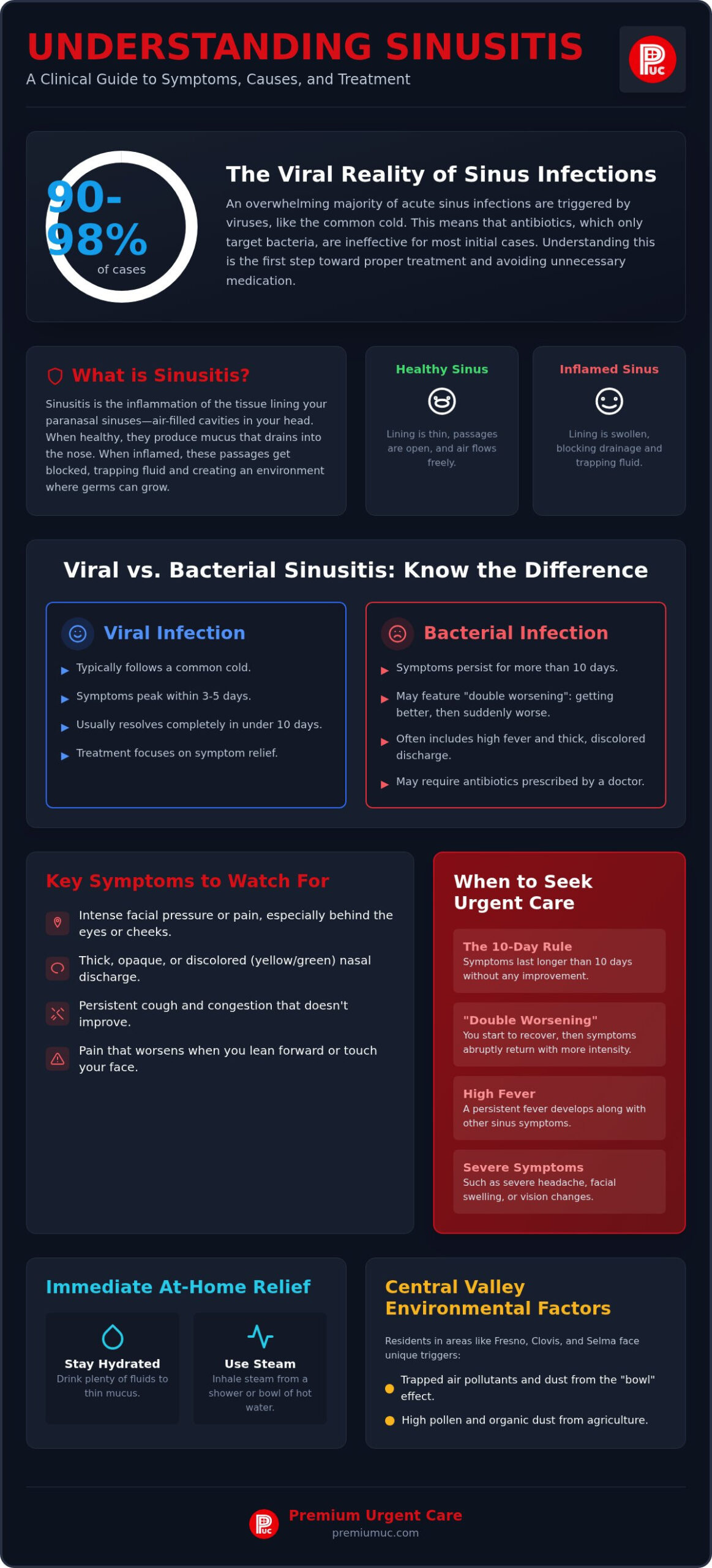
Did you know that between 90% and 98% of acute sinus infections are actually caused by viruses, making traditional antibiotics completely ineffective for the vast majority of patients? If you’re currently struggling with throbbing facial pressure and the frustrating inability to breathe through your nose, it’s natural to want immediate relief. The confusion between viral and bacterial sinusitis often leads to unnecessary treatments and prolonged discomfort. Our goal is to provide you with the clinical clarity needed to manage these symptoms with confidence.
In this guide, you’ll learn how to identify and effectively treat sinus issues using the latest 2026 medical standards. We’ll outline the professional watchful waiting approach that prioritizes your long term health while offering immediate strategies for pain relief. You’ll also find clear criteria for when to seek urgent medical attention at a professional clinic. By understanding the difference between a simple cold and a complex infection, you can ensure a faster recovery and get back to your daily routine without the weight of sinus pressure holding you back.
Key Takeaways
- Understand the critical differences between viral and bacterial triggers to ensure you’re pursuing the most effective treatment path.
- Identify the specific symptoms, such as persistent facial pressure and thick nasal discharge, that distinguish an infection from a common cold.
- Learn practical home care strategies, including targeted hydration and steam therapy, to provide immediate relief for irritated nasal passages.
- Recognize the “10-day rule” and specific red flag symptoms that signal it’s time to seek professional medical evaluation for sinusitis.
- Discover how expert clinical guidance in Clovis, Selma, and Fresno can help you achieve a faster recovery and avoid potential complications.
What is Sinusitis? Understanding Sinus Inflammation
The clinical definition for What is Sinusitis? involves the inflammation or swelling of the tissue lining the paranasal sinuses. These sinuses are four paired cavities located in the head, connected by narrow channels. They produce thin mucus that drains out of the channels and into the nose. This drainage system is essential for keeping the nose clean and free of bacteria. Under normal conditions, these pockets are filled with air, but when they become blocked and filled with fluid, germs can grow and cause an infection.
When the tissue lining becomes inflamed, the drainage process is interrupted. This leads to a buildup of fluid that creates a pressurized environment within the facial bones. Doctors distinguish between two primary forms of this condition. Acute sinusitis usually begins as a cold and typically lasts for a short duration, generally resolving within two to four weeks. In contrast, chronic cases involve symptoms that persist for 12 weeks or longer despite medical intervention. This distinction is critical because the treatment protocols for short term inflammation differ significantly from those used for long term tissue changes.
Common Causes of Sinus Complaints
Viral infections, including the common cold, are the most frequent triggers for sinus inflammation. These viruses irritate the nasal lining, causing it to swell and trap mucus. If the blockage persists, a secondary bacterial infection can develop. This happens when bacteria, which are often already present in the respiratory tract, begin to thrive in the trapped fluid. Additionally, allergic rhinitis acts as a common non infectious cause. Allergies trigger the release of histamines that lead to tissue swelling, mimicking the symptoms of a viral infection and frequently obstructing the sinus passages.
The Impact of Local Allergens in the Central Valley
Living in the Central Valley presents specific environmental hurdles for respiratory health. In cities like Fresno and Clovis, the geographical “bowl” effect often traps air pollutants and dust close to the ground. This poor air quality can cause chronic irritation of the sinus membranes, making residents more susceptible to infections. In agricultural areas like Selma, the seasonal cycles of planting and harvesting release high concentrations of pollen and organic dust into the air. These local factors contribute to a more intense “sinus season” than what is seen in other parts of the state. For many patients in our region, managing these environmental triggers isn’t just a suggestion; it’s a necessary part of maintaining clear breathing and preventing recurrent infections.
Identifying Sinusitis Symptoms: Is it a Cold or an Infection?
Distinguishing between a lingering cold and clinical sinusitis requires a careful evaluation of how your symptoms progress over time. While both conditions involve congestion, a sinus infection is specifically marked by intense facial pain, localized pressure behind the eyes or cheeks, and thick nasal discharge. Identifying Sinusitis Symptoms early helps prevent the transition from an acute episode to a chronic condition. Secondary signs often include a persistent cough, a dull headache, and a noticeable decrease in your sense of smell.
One of the most reliable indicators of a bacterial infection is the “double worsening” pattern. This occurs when you seem to be recovering from a standard cold, but then your symptoms abruptly return with greater intensity. This shift often signals that a viral illness has paved the way for bacterial growth in the trapped mucus. For a more detailed look at how these symptoms overlap with other conditions, you can review our upper respiratory infection treatment pillar.
Viral vs. Bacterial Sinusitis: Key Differences
The duration of your illness is the primary factor in determining its cause. Viral infections typically peak within three to five days and resolve completely in less than 10 days. If your symptoms persist beyond this window or are accompanied by a high fever, a bacterial cause is more likely. Purulent nasal discharge is defined as thick, opaque, and often discolored mucus that serves as a common indicator of a bacterial presence.
When Sinus Pain Indicates a Deeper Issue
It’s important to differentiate between a standard tension headache and the deep, localized pressure of a sinus infection. Sinus pain usually worsens when you lean forward or touch the affected area of your face. In some cases, the inflammation can spread, leading to ear pain or even swelling around the eyes. If you notice significant redness or puffiness in the orbital area, it’s a sign that the infection may be affecting surrounding tissues.
In the Central Valley, local environmental triggers like almond dust or seasonal pollen can often mimic these symptoms, making it harder to tell if you have an infection or just a severe allergic reaction. If you’re unsure about the cause of your discomfort, a professional evaluation can provide the clarity you need. Residents in Clovis, Selma, and Fresno can benefit from a walk-in consultation to receive a precise diagnosis and tailored care plan.
How to Relieve Sinus Pressure at Home: Immediate Care Steps
Managing the initial discomfort of Sinusitis often begins with a disciplined home care routine. While medical intervention is sometimes necessary, these immediate steps can reduce inflammation and facilitate drainage. Proper hydration is the foundation of recovery. By drinking plenty of water, you help thin the mucus that’s become trapped in your paranasal cavities. Thinner mucus moves more freely, which prevents the stagnation that often leads to bacterial growth.
In addition to internal hydration, environmental humidity plays a vital role. Warm, moist air helps soothe irritated nasal passages and encourages the cilia to clear out debris. You can achieve this by taking a warm shower or using a humidifier in your bedroom. Sleep position also impacts your comfort level. Propping your head up with extra pillows allows gravity to assist with drainage, preventing the buildup of pressure that typically occurs when lying flat.
A Step-by-Step Guide to Nasal Irrigation
Nasal irrigation is a highly effective method for clearing out allergens and excess mucus. Following a structured process ensures safety and maximum relief:
- Step 1: Select a Neti pot or squeeze bottle. Always use distilled, sterile, or previously boiled water to avoid introducing new pathogens.
- Step 2: Lean over a sink and tilt your head at a 45-degree angle. This position ensures the solution flows correctly through the nasal passages.
- Step 3: Gently pour or squeeze the saline solution into your upper nostril. The water should flow through the septum and out the other side.
- Step 4: Breathe through your mouth during the process. Once the solution has finished draining, gently blow your nose to clear any remaining fluid.
Safe Use of OTC Medications
Over-the-counter options can provide significant temporary relief for facial pain and congestion. For the throbbing pressure associated with sinusitis, Ibuprofen is often preferred due to its anti-inflammatory properties, whereas Acetaminophen is effective for managing a fever. If you use medicated nasal decongestant sprays, limit their use to no more than three consecutive days. Exceeding this timeframe can cause a “rebound effect,” where the nasal tissues swell more severely once the medication wears off.
Natural aids can also support your comfort between medication doses. Applying a warm compress to your cheeks and forehead can help loosen blockages and soothe pain. Some patients also find that eating spicy foods containing horseradish or peppers provides a brief, natural decongestant effect. These steps are excellent for managing symptoms, but they’re not a replacement for clinical evaluation if your condition persists beyond a week.
When to Visit Urgent Care for Sinusitis Treatment
The transition from home management to clinical intervention is a critical step in your recovery journey. While many people successfully manage mild congestion with steam and hydration, the “10-day rule” serves as a definitive clinical benchmark. If your sinusitis symptoms persist beyond ten days without any noticeable improvement, it’s time to seek a professional evaluation. This duration often indicates that the body’s natural defenses haven’t cleared the initial trigger, and a secondary bacterial issue may be developing within the trapped fluid of your sinus cavities.
Certain “red flag” symptoms demand immediate medical attention to prevent serious complications. If you encounter a high fever, a severe headache that doesn’t respond to over-the-counter medication, or sudden changes in your vision, don’t wait for a scheduled appointment. These signs can suggest the infection is moving toward the orbital area or other sensitive tissues. For residents seeking rapid care, Premium Urgent Care Clovis CA provides a professional, specialized environment that acts as a bridge between home care and the high-intensity setting of an emergency room.
Urgent Care vs. Primary Care vs. ER
Choosing the right level of care ensures you receive the most efficient treatment possible. Primary care providers are your best resource for chronic disease management, but they often have schedules that can’t accommodate a sudden flare-up of intense sinus pain. Urgent care centers are designed specifically for these acute needs, offering same-day testing and professional consultations without the need for an appointment. You should reserve the emergency room for life-threatening situations, such as suspected meningitis or severe orbital swelling, where hospital-level resources are essential for patient safety.
What to Expect During Your Sinus Consultation
When you visit our clinic, your consultation will be methodical, organized, and patient-centered. Our clinical team, led by Dr. Erick Green, will perform a physical exam to assess facial tenderness and the condition of your nasal passages. We’ll review your full symptom timeline, including any “double worsening” patterns, and evaluate the effectiveness of any home treatments you’ve already tried. We follow the latest 2026 medical guidelines, which emphasize responsible antibiotic use and professional watchful waiting. This means we’ll only recommend a prescription if we confirm a bacterial presence, ensuring you receive the most appropriate care for your specific diagnosis. If you’re tired of the pressure and ready for a clear path to relief, visit our walk-in clinic for an expert evaluation today.
Expert Sinusitis Care at Premium Urgent Care
At Premium Urgent Care, we understand that persistent sinus pressure and congestion can significantly disrupt your daily life. Our clinical team, led by Dr. Erick Green, is dedicated to providing professional and reassuring care that addresses the root cause of your discomfort. We offer specialized evaluations for sinusitis, ensuring that each patient receives a diagnosis based on rigorous medical standards. Our approach balances clinical authority with a welcoming, patient-centered focus, designed to instill confidence from the moment you walk through our doors.
Our clinical team follows organized protocols to ensure every diagnosis is grounded in current medical evidence. We don’t just provide a quick fix; we develop personalized treatment plans that may include prescription management or professional guidance on supportive home therapies. By distinguishing accurately between viral and bacterial triggers, we ensure you receive the most appropriate care for your specific condition. This disciplined approach to medicine is why local families recognize us as a trusted authority for upper respiratory health in the Central Valley.
Local Access to Sinus Relief in Fresno County
Maintaining high-level medical standards across our locations in Clovis, Selma, and Fresno is a core part of our mission. We’ve strategically placed our clinics to provide immediate access to expert care for residents throughout the region. We take our responsibility as a community provider seriously, acting as a bridge between the high intensity of a hospital environment and the personalized touch of a local clinic. Our deep connection to the Central Valley allows us to understand the unique environmental challenges, such as agricultural dust and local allergens, that often complicate sinus health for our patients.
Families trust us as their expert community provider because we prioritize patient safety and recovery above all else. We maintain a high-performance environment where the flow of information is transparent and logical. This ensures you feel informed and supported throughout your entire experience. Whether you’re a long-term resident or new to the area, you can rely on our steadfast commitment to professional excellence and reliable care during every sinus season.
Schedule Your Consultation or Walk In
We’ve designed our services to be as accessible and efficient as possible, mirroring the urgent nature of the symptoms we treat. You don’t need an appointment to receive a professional evaluation for your sinus complaints. We accept a wide range of insurance plans and provide clear logistical information regarding payment options to ensure your visit is stress-free. Our goal is to provide a functional pace of care that gets you back to your routine quickly. If you’re ready to find a solution for your persistent sinus pressure, Visit Premium Urgent Care for Sinus Relief Today.
Taking Charge of Your Sinus Health
Managing sinusitis effectively requires a strategic balance between patient home care and proactive medical intervention. By recognizing the critical differences between a standard viral cold and a complex bacterial infection, you can avoid unnecessary medications while ensuring you receive professional help when it’s truly required. Maintaining proper hydration and using sterile nasal irrigation are excellent starting points, but these shouldn’t replace a clinical evaluation if your symptoms persist beyond the ten day mark or if you experience intense facial pressure.
Premium Urgent Care, led by Medical Director Dr. Erick Green, provides specialized care for upper respiratory and sinus infections throughout the Central Valley. Our clinical team offers a disciplined and reassuring approach to treatment, ensuring every patient receives a personalized recovery plan. With convenient walk-in locations in Clovis, Selma, and Fresno, we act as a reliable bridge to faster relief without the long wait times of a traditional doctor’s office. Find Sinus Relief at Premium Urgent Care – Walk In Today and take the first step toward breathing clearly again. You don’t have to navigate the discomfort of an infection alone; our expert team is here to support your recovery with high standards of professional care.
Frequently Asked Questions
How long does a typical sinus infection last?
Acute sinus infections typically last between two and four weeks. Viral cases often resolve within 10 days, while bacterial infections may linger longer if left untreated. If your symptoms persist beyond the 10-day mark without improvement, a professional medical evaluation is recommended. Chronic cases are defined by symptoms lasting 12 weeks or more. Understanding this timeline helps patients determine when it’s necessary to move from home care to a professional clinical setting for evaluation.
Can I treat sinusitis without antibiotics?
Yes, many cases of sinusitis are viral and don’t require antibiotics. Current 2026 medical guidelines emphasize a “watchful waiting” approach for uncomplicated cases. Treatment focuses on symptom management through hydration, saline irrigation, and over-the-counter pain relievers. Antibiotics are only clinically necessary if a bacterial infection is confirmed through professional evaluation. This typically occurs when symptoms worsen after initial improvement or persist significantly beyond a week, indicating that the body’s natural defenses need professional assistance.
What is the fastest way to get rid of sinus pressure?
The most efficient way to reduce immediate pressure is through a combination of nasal irrigation and steam therapy. Using a Neti pot with sterile saline solution clears out trapped mucus and allergens, while warm, humid air soothes inflamed tissue. Elevating your head while resting and maintaining high fluid intake also facilitates natural drainage. For rapid, professional relief, a clinical evaluation can provide access to targeted medications that reduce swelling more effectively than standard home remedies alone.
Is sinusitis contagious to other people?
Sinusitis itself isn’t contagious, but the viruses that often cause it are. If your infection started with a common cold or the flu, you can spread those underlying viruses to others through respiratory droplets. However, once the condition progresses into a bacterial sinus infection, that specific infection cannot be passed to another person. Maintaining good hand hygiene and respiratory etiquette is essential during the initial viral phase to protect your family and coworkers from catching the underlying illness.
Why does my sinus pain get worse at night?
Sinus pain often intensifies at night due to the effects of gravity and changes in blood flow. When you lie flat, mucus cannot drain as easily and begins to pool in the paranasal cavities, increasing localized pressure. Additionally, lying down can cause more blood to flow to the head, which may increase the inflammation of the nasal membranes. Propping your head up with extra pillows is a practical, disciplined step to encourage drainage and reduce nocturnal discomfort during your recovery.
Can allergies turn into a sinus infection?
Yes, chronic allergies are a frequent precursor to sinus infections in the Central Valley. Allergic reactions cause the nasal passages to swell, which blocks the narrow channels that allow the sinuses to drain. This trapped fluid creates an environment where bacteria can thrive, leading to secondary infections. For residents in Fresno and Selma, managing seasonal triggers is a critical component of preventing recurrent sinus issues. Our clinical team can help you develop a strategy to maintain long term respiratory health.
When should I be worried about sinus pressure and a headache?
You should seek immediate medical attention if sinus pressure is accompanied by “red flag” symptoms. These include a high fever, a severe headache that doesn’t respond to medication, or sudden changes in your vision. Swelling or redness around the eyes and a stiff neck are also signs that the infection may be spreading to sensitive surrounding tissues. These complications are rare but require prompt evaluation at a professional urgent care center to ensure your safety and prevent further medical issues.
Does Premium Urgent Care offer walk-in appointments for sinusitis in Selma?
Yes, Premium Urgent Care provides walk-in evaluations for sinus complaints at our Selma location, as well as in Clovis and Fresno. We operate as a high-performance facility where no appointment is necessary for acute care. Erick Green, specializes in distinguishing between viral and bacterial infections to ensure appropriate treatment. We prioritize efficient, professional service to help local families manage their health and return to their daily routines quickly.