
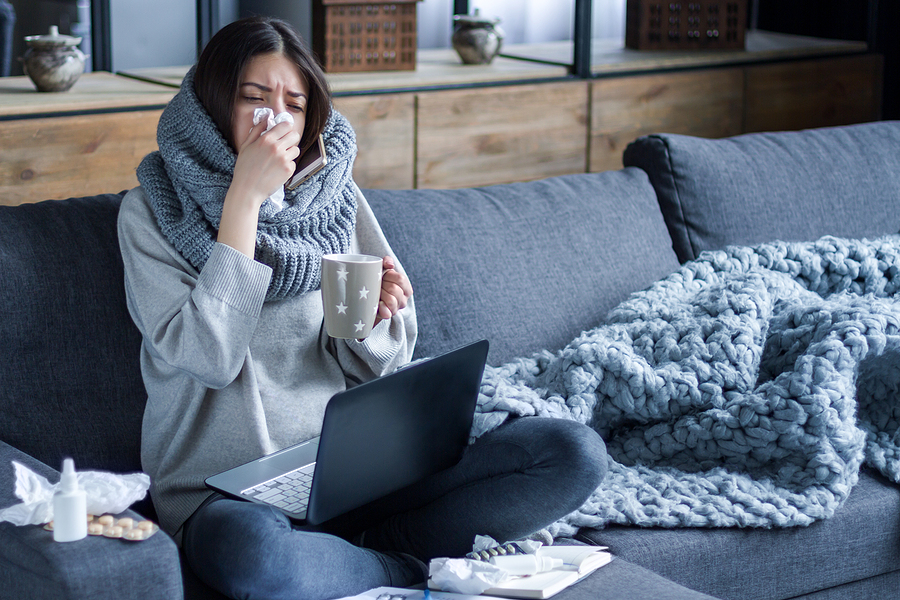
California’s flu activity is rising, and a new strain (H3N2) is causing severe symptoms. Currently, COVID-19, flu, and RSV rates are low, but RSV cases are climbing. With holiday gatherings and more time indoors during winter, cases are likely to grow as the peak flu season begins.
Avoiding contact with someone who is sick is tough. Germs spread easily in crowded stores, classrooms, offices, and public transportation. Family gatherings, holiday concerts, games, and theater productions often bring people together in close spaces.
While it’s impossible to avoid all germs, you can take steps to reduce your risk of catching a virus. Our winter wellness checklist helps you stay healthy.
Hygiene Checklist
The first part of our checklist for flu and cold prevention covers areas of personal hygiene.
Avoid Touching Your Face
As tempting as it is to scratch an itchy nose when you’re out shopping, at work, or in a public space, avoid touching your face. Germs left on your hands after touching a door handle or keypad at a register can transfer from your fingers to your face.
Always keep a pack of baby wipes handy to clean your face. Wash your hands thoroughly before touching your face. Alternatively, wear disposable gloves when addressing the itch, then discard them afterward.
Carry Hand Sanitizer
When you’re in a public space, you may not be able to get to a bathroom to wash your hands. Keep hand sanitizer available for those moments.
Disinfect Your Home’s Surfaces and Electronics
Use a disinfectant to clean many of your home’s surfaces at least once a week. Think of the items that people touch daily, such as your doorknobs and faucets. Include electronics, such as your phone, your remotes, your laptop keyboard, and your tablet.
Don’t Let Others Sip From Your Cup or Share a Utensil
Stop letting your best friend sip your cup to sample your drink. Don’t share a fork or spoon with someone else. You spread germs when you do.
Wash Your Hands Regularly
When possible, wash your hands after touching something or someone. Your child is home with a chest cold, and you just helped fluff your child’s pillow. Wash your hands before you touch anything else.
If you’re out shopping, wash your hands after touching things like a door handle, register screen, or ATM keypad. Make sure you’re washing with soap and water for at least 20 seconds.
Wear a Mask
Whether you’re sick or want to avoid other people’s germs, wear a mask. It helped with the spread of COVID-19, and masks remain one of the best ways to lessen exposure to germs.
Lifestyle Checklist
Some steps you can take to reduce your risk of catching a cold or the flu involve your lifestyle.
Avoid Excessive Stress
Chronic stress impacts your immune system. Not only does chronic stress reduce white blood cell counts, but it also increases cortisol levels, heightening inflammation. Inflammation makes it easier for germs to enter your body, and a lowered white cell count reduces the number of lymphocytes that are ready to fight invaders.
Eat a Nutritious Diet
Avoid junk food and processed items. A healthy diet that includes lean protein, fruits, vegetables, fiber-rich foods, and dairy helps strengthen your immune system. Antioxidants like vitamin C are especially beneficial if you’re trying to prevent a cold, as they help white blood cells function properly.
Exercise Daily
Make sure you get enough exercise. When your blood circulates, your white cells travel throughout the body, ready to fight any germs that enter. It can also help you expel bacteria from the airways.
Get Enough Sleep
Adults need 7 or 8 hours of sleep every night. Children require more than that. When you’re tired, your immune system doesn’t function as well. It’s easier to catch a virus.
Sleep is crucial, so prioritize it. Go to bed earlier and spend an hour reading instead of watching TV or scrolling through your phone. Avoid eating a large meal right before bed. Allow your body time to digest before sleeping.
Humidify Your Home
When the air you breathe lacks humidity, your nasal passages also become dry. Dryness makes it easier for germs to enter cells. Keep your home’s humidity between 30% and 50%. Showering with a door cracked helps boost humidity, but you can also invest in a humidifier.
Stay Hydrated
Drink enough water each day. About 20% of the water you need each day comes from the foods you eat. That means a lot of your water intake comes from the things you drink. Alcoholic beverages are dehydrating. Aim for water, herbal teas, and even decaf coffee.
Current targets are 2.7 liters for women and 3.7 liters for men. It’s more than many people typically drink, so try to increase your intake so your body can eliminate germs through urine and mucus.
Medical Checklist
Finally, there are medical considerations.
Buy Cold and Flu Supplies
You don’t have a cold or the flu yet. While you’re healthy, go to the store and pick up these items. Having them on hand just in case helps you avoid going out when you’re sick. Stop the spread of the virus by staying home because you already have:
-
100% natural juice
-
Broth
-
Cold and flu medication
-
Cough lozenges
-
Decongestant
-
Facial tissues
-
Gatorade or similar for the electrolytes
-
Ibuprofen and/or acetaminophen
-
Low-sodium canned soup
-
Saline nasal spray
Get Immunized
Vaccinations lower the chances of developing severe symptoms. It also reduces the risk of contracting a virus. Get your COVID and flu shots. Ask a doctor about others, like pneumococcal, RSV, and shingles.
Manage Chronic Health Conditions
Many chronic health conditions weaken your immune system. If you catch a cold or the flu and have underlying illnesses like asthma, cancer, diabetes, or heart disease, your body is more vulnerable to the virus, and you might experience severe symptoms.
Managing your health is crucial. If you have a chronic condition, managing symptoms might involve taking medications, getting vaccinated against common viruses, or following a specific diet. If you think you have a cold or the flu, see a doctor. Antiviral medications can help reduce the severity of the infection.
Monitor Your Neighborhood’s AQI
Fresno has a history of poor air quality, especially with ozone and fine particulate matter (PM2.5). You might not realize that air pollution causes inflammation in the lungs, which increases the risk that a virus will get into your lung’s immune cells.
Make it a habit to check the outdoor AQI and avoid outdoor activities when it’s high. An air purifier is an effective way to keep the air inside your home or office clean. Another benefit is that air purifiers remove some of the viruses trapped inside during the winter.
Schedule a Telehealth Appointment if You Feel Off
If you think you have the flu, schedule a telehealth appointment before visiting a doctor’s office. You can see a doctor via video chat, which helps prevent you from spreading your germs to others. It also keeps you away from sick people while your immune system fights off the illness.
See a Doctor for an Annual Wellness Check
When was your last check-up? If it’s been over a year, make an appointment with a doctor. Knowing the basics, like your blood pressure, blood test results, and listening to your heart and lung sounds, helps doctors quickly identify chronic health issues. Diabetes, high blood pressure, and asthma are some of the most common conditions.
A check-up also allows doctors to identify any recommended vaccinations you’re missing. Recommendations change from time to time. You might learn you should have the pneumococcal shot, hepatitis A and B, or RSV. Your doctor can make sure you get them before you leave the office.
Premium Urgent Care offers vaccinations, including COVID and flu shots, as well as wellness checks at multiple locations throughout Fresno. Our doctors see patients throughout the week and on weekends. No appointment is needed. Visit us to get the care you need to prevent serious illness during peak cold and flu season.