
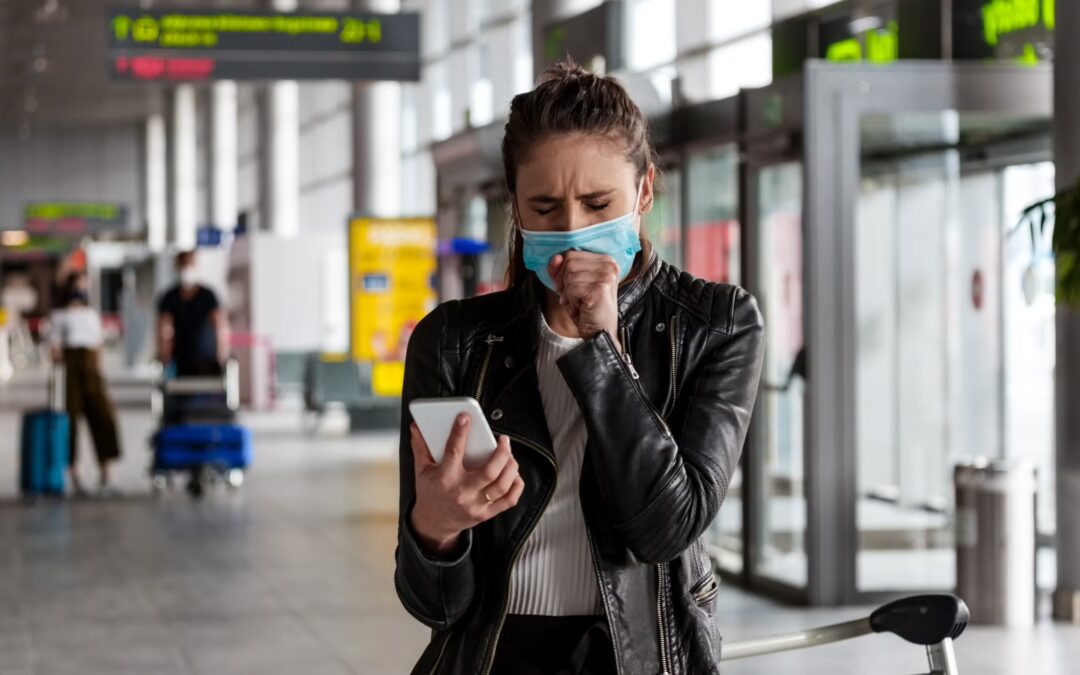
We often hear patients asking why travel makes them sick. What is the connection between traveling and illness or injury? We take a closer look at what often goes wrong and what you can do to have a happy, healthy vacation.
It’s time. You booked your vacation months ago. You’ve confirmed your flights, hotel, and other travel plans. You’ve packed your suitcase. You leave your house ready to experience the adventure of a lifetime.
Yet, you’re just three days into your vacation. You’re feverish and achy. You can’t stop rushing to the toilet with a wastebasket in front of you. You simply feel awful and wonder if you’ll get to see the sights at all.
While it may feel like your body has betrayed you, vacation health issues aren’t bad luck. There’s a biological reason why illnesses occur when you travel. Travel is a shock to your system, and your body and immune system must catch up to the germs you’re exposed to.
Travelers are busy getting to college or high school graduations, taking post-graduation celebratory vacations, or heading to a destination wedding. People are going on their honeymoon and going on a family trip during summer vacation.
As all of this happens, the risk of becoming ill increases. Several illnesses when traveling are already making headlines this year-hantavirus, measles, a new form of COVID known as Cicada, and norovirus. Take steps to stay healthy while having the experience of a lifetime.
Why Does Your Risk of Illness Increase When Traveling?
On a trip, your body’s internal chemistry needs to adjust. Your hypothalamic pituitary adrenal (HPA) axis is key to your body’s stress response. It triggers the release of glucocorticoids, which trigger the energy needed for the situation you’re dealing with.
When you travel across time zones and experience jet lag, your HPA axis is affected. Cortisol levels tend to peak in the early morning and decline from there. It messes up your sleep, makes you less alert, and can also increase stress. This doesn’t help your immune system.
Instead of being ready for “invaders,” your immune system is suppressed, so germs get through. You get sick, and your vacation doesn’t go as you’d hoped.
Tight Quarters and Germ Spread
In a tight space, such as an airplane, germs can spread. Airplanes recirculate the air using HEPA filters, capturing 99.9% of germs and particles in the air, but that’s not enough.
One problem with tight quarters is more about the person who coughs or sneezes without covering their mouth. Studies find that a sneeze can travel as far as 25 feet. If someone in the next row sneezes, you could end up getting hit with some of the spittle. Wearing a mask and changing it to a fresh one every few hours helps.
The other problem is that the cabin air is dry. It’s often below 20%, which dries your respiratory system’s mucosal barriers (nasal passage and throat tissue), making it easier for germs to get through. Staying hydrated and using a saline spray in your nose help protect the mucosal barriers against low humidity.
Beyond the germs, there are other health issues to consider. Planes are pressurized to maintain the right cabin altitude. This causes a slight decline in arterial oxygen levels. To compensate, your heart and breathing rates increase, which can leave you tired.
It also increases the risk of deep vein thrombosis (DVT) when you spend hours sitting in the same position, which is why many doctors recommend wearing compression socks while flying and getting up to walk around often. Drink plenty of water. If you feel a leg cramp while flying, don’t take chances. Seek medical care.
Problems With Passenger Density on Cruise Ships
If your vacation plans include a cruise, there are other things to consider. You’re on a ship with hundreds of other passengers. You’re isolated between excursions, putting you at risk of spreading germs.
Consider the recent hantavirus outbreak on the MV Hondius. One passenger contracted a less-common form of hantavirus known as Andes virus (ANDV). This form can be transmitted from one person to another, especially in close quarters, such as on a ship.
When you’re on a ship, every meal you eat in a dining room, every activity you participate in, and even the lines you’re in while disembarking or embarking put you in close contact with other people’s germs. Wearing a mask and washing your hands regularly are essential.
The Shock of a New Environment: Food and Water Risks
Not all bacteria are bad. Your gut bacteria (microbiome) help with digestion, the breakdown of fiber, immunity, and the synthesis of vitamin K. You also have bacteria within the environment that adapt to the humidity, temperature, and other factors.
Bacteria are naturally in the soil, water, and air. They’re in your body. You go through a day, never noticing that they’re there. However, the bacteria where you live are different from the bacteria in another area. When you travel, you’re exposed to a new microbiome in the foods and beverages you consume.
Traveler’s Diarrhea occurs when you eat foods or drink water that contain bacteria your system isn’t used to. If you’re very careful, you can avoid it by sticking to bottled water and fully-cooked foods. If you’re traveling to a high-risk area where the drinking water is a known problem, prescription medications can help, but you need to see a doctor before you travel.
More Time Spent Doing Things You Don’t Do at Home
Another risk faced when traveling is less about illnesses and more about the activities you engage in. At home, you work behind a desk and lead a pretty sedentary lifestyle. On vacation, you’re tackling it all.
You’re hiking up mountain trails to see ancient ruins or natural wonders. You’re on your feet for 12 hours and not taking rest breaks. You’re trying new things like snorkeling or ziplining. It’s more than your joints are used to, and you end up twisting an ankle. You’re spending all day in the water and end up with swimmer’s ear or a severe sunburn.
How to Stay Healthy While Traveling
Skipping vacations may help keep you safe and healthy, but it’s also boring. Instead, use these tips to stay healthy when you travel.
- Before Your Flight, Train, Cruise, or Bus Trip: Get plenty of sleep. Aim for 8 hours of sleep for at least three days before your departure date.
- On the Plane, Bus, or Train.: Bring a saline spray to keep your sinuses moisturized. Wear a mask if you’re not in a room by yourself, such as on a train. Make sure you’re staying hydrated.
- During Cruise: Wash your hands often, especially after touching things others have touched. In crowded areas, consider wearing a mask.
- Upon Arrival: Take a shower to wash off germs and refresh yourself. Then, sit in the sun for half an hour to acclimate yourself and help reset your circadian rhythm. As tempting as it is to go to sleep, try to wait until nightfall in the new time zone.
- During Your Vacation: Wear a wide-brimmed hat and apply sunscreen to prevent sunburn. If you try new activities, warm up your muscles first and start slowly. Don’t rush into advanced-level activities when you’ve never tried them before.
Prepare for Post-Vacation Blues
When the trip is over, and you’re heading home, your body goes through a crash of sorts. The dopamine rush from a new adventure fades, leaving you feeling depressed and sad. It can also affect your immune system, making you more susceptible to illness.
Even though you’re going back to work or school, you need to give yourself time to adjust. When possible, try to get home a few days before jumping right back into work. Give your body time to readjust to the home environment. Get enough sleep, stay hydrated, and eat a balanced diet.
If you do get home and feel sick, don’t try to tough it out. Premium Urgent Care welcomes walk-in patients, even on weekends. See a doctor for a medical diagnosis and, if necessary, start any medications so you’re back to normal as quickly as possible.