
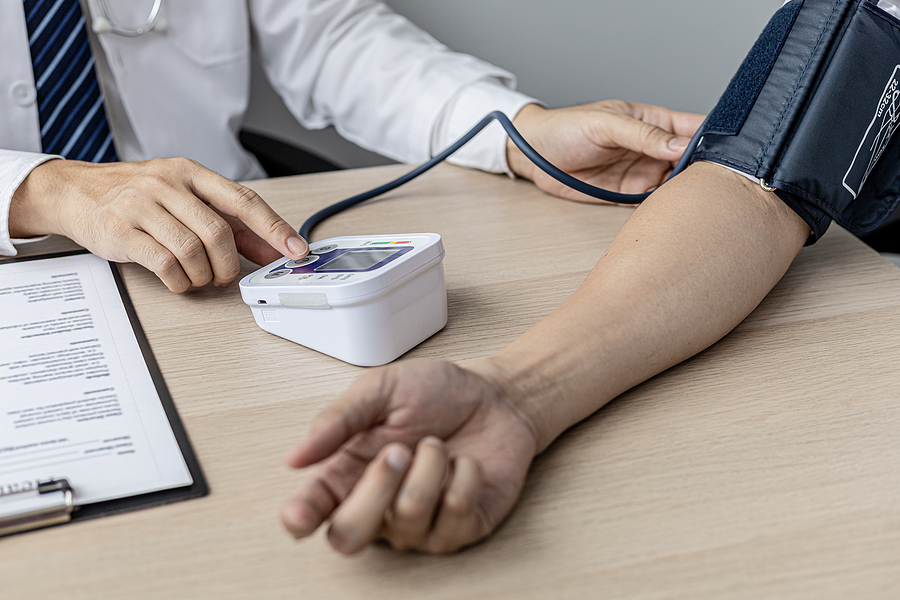
A lot can change in a year. Friends move away. Family dynamics shift. Your health can slip without you realizing it. Your blood pressure climbs. Your iron count decreases, along with your hemoglobin. A mole on your back grew bigger.
Even if you think you’re healthy, annual physicals are essential. While provider shortages often mean waiting weeks or months to get an appointment, you should not risk your well-being and skip your annual physical.
Discover why annual physicals are so important, what to expect during your visit, and tips for making your appointment go smoothly.
Preventative Health Care vs. Reactive Care
When you schedule and attend an annual physical, you’re practicing preventative health care. Not many do, however. Reactive care is more common. People wait until something seems off or there’s a problem before making an appointment.
Think of it this way. Each year, you take your car in for an oil change. During that visit, many mechanics perform quick multi-point inspections of items such as brakes, fluid levels, and tires. It’s a preventative measure designed to keep you safe and avoid costly repairs in the months to come.
Annual physicals are the same. You go in for a yearly check to make sure your health hasn’t changed. If something has, it’s easier to determine what’s going on in the early stages.
Annual Physicals Set a Baseline to Follow
Preventative care through annual physicals provides doctors with a baseline to follow. They know your health and how it’s progressing from one year to the next.
The test results you get, especially from lab work, are also compared against those of thousands of other people. This information is valuable when determining if something isn’t normal. It could just be that you sit at a high end or low end of average test results, but a closer investigation helps determine if there’s a change in your health that requires treatment.
Every couple of years, your doctor runs an A1C test because you’re overweight. Usually, the results are around 80 or 82 mg/dL, but the past two tests have trended higher into the 90s. Your doctor is concerned that your body is having a harder time regulating glucose levels, but you’re not in the prediabetes or diabetes range yet, so it’s something your doctor is watching closely.
Having that baseline makes it easier to find potential problems and monitor them closely.
The Value in Catching Potential Threats as Early as Possible
Many of today’s prevalent health conditions are called “silent threats.” It’s because they develop slowly and silently over several years. Catching them early is the best way to avoid irreversible damage to organs like your heart or kidneys.
High cholesterol, hypertension (high blood pressure), and type 2 diabetes are prevalent. Yet, they go unnoticed unless you have a doctor comparing your blood test results each year or taking and comparing yearly blood pressure readings. If you don’t catch and treat them in the early stages, organ and vascular damage occurs and can shorten your life.
It’s also easier on the wallet. Suppose you have skin cancer. Removal of the cancerous tissue saves your life. If you don’t have that area examined until it’s been there for years, it can spread to other areas. Now, you need additional treatments like chemotherapy and radiation. It costs more money, and insurance often only pays its percentage. You cover the rest.
How to Get the Most Out of Your Visit
If you’re seeing a new doctor, you need to get to know each other. Your doctor needs a summary of your health history and your family’s health history. Bring notes on the following:
Family History
Be ready to answer questions about your family’s health history. Ideally, the histories of grandparents, parents, and siblings need to be included. If your grandmother and mother had breast cancer, that’s vital information as it indicates a need to start mammograms earlier than the recommended age of 40.
Other health issues that often have a genetic link are:
- Asthma
- Colorectal cancer
- Diabetes
- Heart disease
- High blood pressure
- High cholesterol
Medications
Bring a list of any over-the-counter and prescription medications or supplements you take. Include how often you take them, the dosage, and why you’re taking them.
Not only is it important for a doctor to know what you’re taking to determine if it’s beneficial, but it’s also important if you need a new prescription. Certain medications interact with each other, so you could end up taking a prescription that isn’t working because of an herbal supplement you take for immunity or mood changes. Some of the common conflicts are:
- Birth control pills and St. John’s Wort (St. John’s Wort reduces the effectiveness.)
- Ginkgo biloba and blood thinners (Ginkgo thins the blood, increasing the risk of bleeding events.)
- Green tea extract and cholesterol medication (High doses of green tea lower levels of cholesterol medications in your bloodstream.)
Write Out a List of Questions
Doctors do have other patients to see, so they can’t answer pages and pages of your questions, but you should have your top three questions written out so that you don’t forget to ask them. If you’re noticing more knee pain while walking up stairs, ask about it.
Be Honest
When you’re answering questions, be honest. Your doctor cannot offer sound clinical advice if you’re only giving them half the story. For example, you’ve noticed yourself needing a beer every night after getting home from work. Saying you only have a couple drinks a week isn’t the truth. Admit you have a drink every night.
Have Paperwork Ready
Print and fill out a new patient form to bring with you. It saves time during registration. They may still need a photocopy of your insurance card. Have that ready.
California’s “Timely Access to Care” Rules
California law requires health insurance plans to provide “timely access to care.” This helps shorten the amount of time you have to wait. By law, non-urgent primary care appointments must occur within 10 business days.
If a doctor feels that delaying that appointment won’t negatively impact your health, a note can go into your chart and bypass that 10-day rule. If you can’t get an appointment within those 10 days, your health insurance must help you get an appointment with another provider, even if that doctor is out-of-network.
Premium Urgent Care Provides Annual Physicals
Don’t feel that your only hope is to wait. You have options. Call your health insurance provider to help you secure an appointment for an annual physical. Or, come to Premium Urgent Care. We have four offices in and around Fresno, and many offer weekend or evening hours to make it easier to see a doctor.
Our doctors offer walk-in urgent care, and you can also come to us for DOT, sports, and work-related physicals. Annual physicals and vaccinations are among the services we offer. No appointment is necessary. All we ask is that you arrive at least 30 minutes before Premium Urgent Care closes. Check in online before you arrive to secure your place in line.