
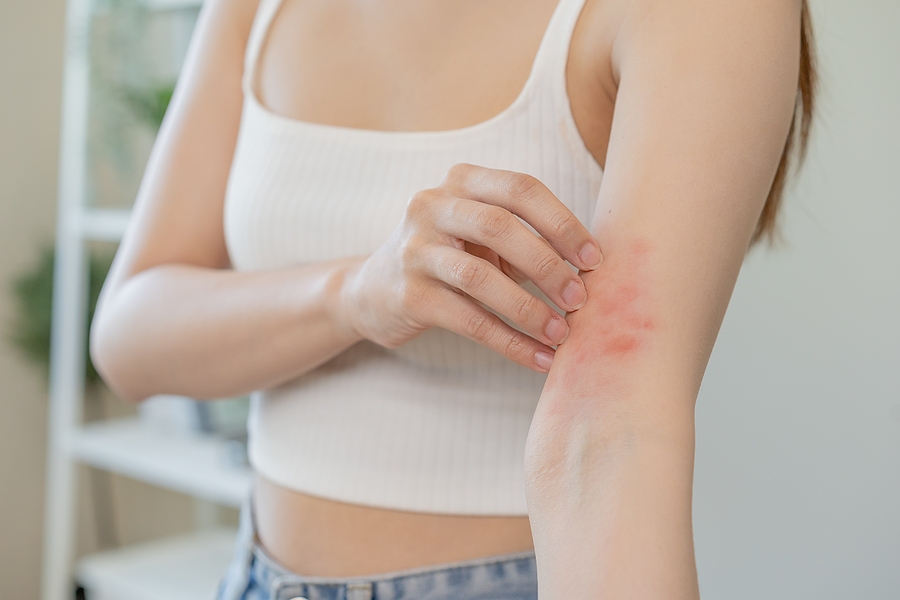
Summer in Fresno brings prolonged triple-digit temperatures. It’s been brutal this summer, with very few days dipping below 100°F. You’ve been living in air conditioning or refusing to leave your pool, lake, or river. It’s hot, and your skin is showing the effects.
Heat rash (medically called miliaria) is a common condition, especially when it’s so hot. It’s usually harmless, but it can trigger skin infections and indicate other conditions, such as heat exhaustion. Knowing what heat rash is and how to treat it is important. It’s just as crucial to know when to go to urgent care for a professional diagnosis.
What Causes Heat Rash?
Heat rash is as simple as blocked sweat ducts. Sweat gets trapped just below the skin instead of exiting the pores where it evaporates. The blockage triggers inflammation that presents as red, bumpy, itchy skin. It can also feel like your skin is prickling, which is why it’s also called prickly heat.
Several issues can lead to heat rash, including:
- Excessive sweatiness from heat or a strenuous workout
- Heavy, oily creams or sunscreens that block the pores
- Over-bundling infants
- Padded stroller or car seat harnesses or seatbelts
- Plastic mattress covers
- Thicker fabrics or tight clothing that presses on the skin and increases humidity
- Underdeveloped sweat ducts (common in infants)
The Three Types of Heat Rash
When it’s a case of heat rash, there are three forms.
Miliaria Crystallina (Mild): The rash is in the uppermost layer of skin and presents as small, clear, fluid-filled blisters. It’s common in newborns.
The mildest form affects the uppermost layer of skin. It appears as tiny, clear, fluid-filled blisters that break easily. It rarely causes pain or itching and is common in newborns.
Miliaria Rubra (Prickly Heat): The rash is deeper in the epidermis and causes red, itchy bumps. Sometimes, there’s a prickling or burning sensation. You sweat less in the affected area. It’s common in children and adults.
Miliaria Profunda (Severe): This type of heat rash is less common and occurs in the deepest layers of the skin. It’s more likely to occur in adults who work or work out in high heat and have already experienced heat rash. The bumps are flesh colored and firm.
Keeping the skin cool and dry is often the best treatment. Heat rash often clears up in a few days. If it’s been a few days and the rash is the same or worse, medical care is important.
Heat Rash Prevention Tips
Prevention is the best way to avoid dealing with heat rash, and it can be easier than you think. Inside your home, keep the temperature at 75°F or lower when it’s extremely hot outside. Use a floor fan or ceiling fans to help circulate the cool air and help you feel cooler.
If you have to go outside, try to avoid going out during the hottest hours of the day. Once it hits 10 a.m., try to stay inside or stay in the shade as much as possible. Drink water regularly and replace any sweat you lose with electrolytes.
When you get dressed, wear light, loose-fitting clothing. Moisture-wicking fabrics or cotton are best. Polyester and nylon should be avoided.
After being outside, take a cool shower and change into loose-fitting clothing. A cotton tank top and shorts are good options for staying cool. Even inside, in the AC, avoid tight-fitting pants and shirts.
Don’t bundle your baby. If you’re outside walking or driving, avoid heavy baby blankets. Use a lightweight mesh shade cover instead. Dress the baby just in a cotton onesie to help keep the body cool.
When choosing a sunscreen, avoid heavy, oily products. Mineral-based are ideal. If you’ve used a product and developed a heat rash, avoid it in the future.
If you sleep on a plastic mattress cover, replace it with a breathable one made from a material like bamboo instead. Avoid using heavy blankets at night, turn up the temperature if needed, and sleep on top of the covers.
Skin Conditions Mistaken for Heat Rash and How to Tell the Difference
Some skin conditions mimic heat rash. Knowing the differences in how they look is important for knowing what you’re dealing with.
- Atopic Dermatitis: These dry, scaly patches that can thicken and ooze. It can be genetic and takes weeks or months for a flare-up to resolve.
- Contact Dermatitis: The skin becomes inflamed and can form small blisters. It’s an allergic reaction to an allergen or skin irritant. Poison ivy is a good example of contact dermatitis. The rash appears within a day or two of exposure and can last weeks.
- Hives: You get raised, swollen welts as an allergic response to a specific food, an insect sting, or a medication. Stress can also trigger hives. They resolve on their own.
- Intertrigo: This bacterial, fungal, or yeast infection often occurs in areas with excessive sweating. It’s more likely to appear in creases, such as under the armpits or breasts.
Treating Heat Rash at Home
The best way to treat heat rash is by keeping the skin cool and dry. You want your sweat ducts to unblock on their own. A cool shower or bath often helps the process. Aim for at least 10 to 15 minutes in cool water.
Pat dry and wear loose-fitting clothing. Cotton and other natural fibers are better and improve airflow. Even when you sleep, avoid clothing that presses against the skin and impedes airflow.
Use a topical cream to help with itching. Colloidal oatmeal baths help relieve itching. Calamine lotion is another option for children over 2 and for adults. If the rash is severe, over-the-counter hydrocortisone creams are a safe option for most adults. A doctor should examine a severe heat rash.
Baby powder and cornstarch are not ideal options. They can trap moisture against the skin, especially in skin folds like armpits, groins, and backs of knees.
When to Seek Urgent Care for Heat Rash
Heat rash usually clears up on its own. You should seek medical care if any of the following occur, as they indicate complications, such as dehydration, heat exhaustion, or a bacterial, fungal, or yeast infection.
- The bumps ooze yellow fluid or fill with pus.
- Itching keeps you up at night.
- It’s been four days, and the rash hasn’t diminished.
- The rash feels painful or swells.
- The rash is spreading.
- You feel lightheaded.
- Your lymph nodes feel swollen.
- You’re not sweating.
When you know the signs of heat rash and can tell it apart from other skin conditions, it becomes easier to seek professional care. Throughout Fresno’s hot summer days, you have the insights needed to stay safe and comfortable.
Premium Urgent Care has doctors available to diagnose and treat heat rash. They’ll tell you if it’s something else, like a fungal or yeast infection. No appointment is needed. Walk in and see a doctor today.