
Residents and visitors of the Fresno area know that the city offers so much to see and do, but the Sierra Nevada foothills provide even more. You’re within an hour of Millerton Lake’s trails. Pine Flat Lake, Shaver Lake, and the San Joaquin River Gorge are also nearby. Yosemite National Park is under two hours.
With so many beautiful landscapes, it’s hard to imagine that there’s a serious problem lurking in these natural areas. Toxicodendron diversilobum, better known as poison oak, thrives in the foothills, forests, and woodlands.
Some of Fresno’s agricultural workers, hikers, and outdoor enthusiasts experience only mild symptoms, such as itchiness. For others, it can quickly spiral into a severe poison oak rash. Knowing what poison oak looks like, what to do if you encounter it, and where to go for treatment is essential.
Tips for Identifying Local Poison Oak
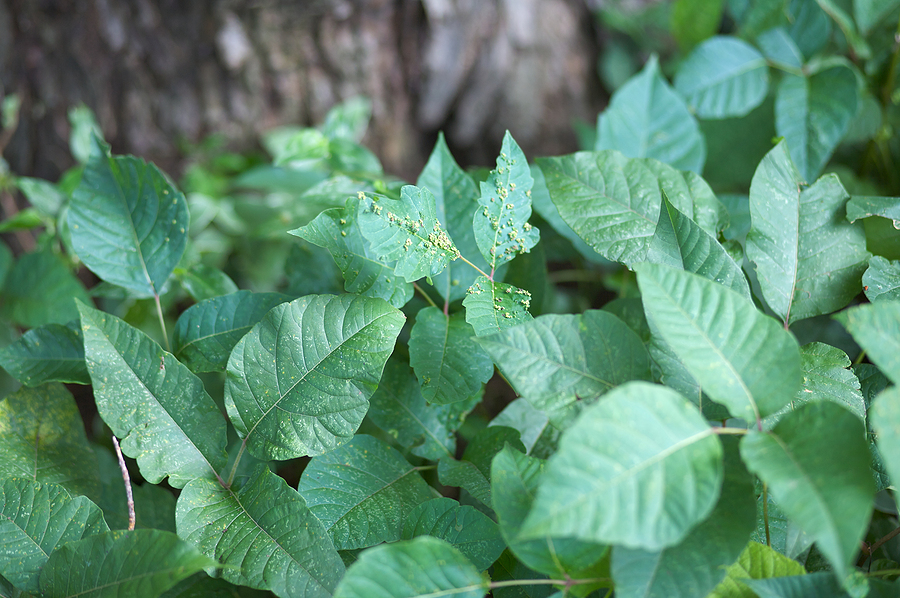
Most people know the adage about poison ivy: “leaves of three, let it be.” It’s a start toward identifying poison oak, but there’s more to consider. Poison oak may appear as a tree-climbing vine, a shrub, or groundcover. Because it varies, it’s important to understand what you’re looking for.
The leaves are your biggest identifier. Leaves all have scalloped edges, similar to the scalloped edges you see on an oak leaf. They grow in clusters of three, with the center leaf having a distinct stem and the two remaining lower leaves attached to that stem.
How those leaves look depends on the season.
- Spring: Glossy green, with heavy oil providing that shine. Yellow-green clusters of flowers may appear.
- Summer: Shine starts to fade, but the green color deepens. Small cream or green-white berries may form.
- Autumn: Fall’s color change causes leaves to turn vivid orange or red.
- Winter: Leaves fall to the ground with only the gray sticks/vines remaining. They are just as poisonous.
What Causes Poison Oak’s Rash?
Poison oak contains a resin called urushiol. This resin is in the berries, leaves, roots, and stems. It’s an extremely potent oil-based allergen that clings to surfaces it touches, including backpacks, clothing, dog fur, hiking boots/shoes, and tools. Until those items are washed, urushiol remains active for as long as five years.
Suppose you go hiking in the winter and brush up against a vine. Your backpack has the resin on it when you store it in your closet until summer. You can touch your backpack and end up with a poison oak rash.
Wildfires that burn poison oak cause the resin to become airborne. Breathing in those particles can cause respiratory irritation, too.
Signs of a Severe Poison Oak Rash
Around 9 out of 10 people are allergic to urushiol, so there is a slim chance that you’ll never experience a reaction after coming into contact with the plant. For most, symptoms typically manifest between 12 and 72 hours after exposure. Some people only experience itching, while others have severe allergic reactions.
- Edema: Severe swelling of the face, eyes, or extremities, especially if part of the plant touched one of those areas.
- Intense Itchiness: The itching is so overwhelming that it keeps you awake and isn’t helped by over-the-counter creams or ointments.
- Severe Rash: Numerous, large fluid-filled blisters that form in patches or streaks on the skin where the plant touched.
- Systemic: The rash covers over 20% of the body.
There’s a long-running myth that if someone touches your rash, you’ll spread poison oak to them. That’s not true. A popped blister also doesn’t leak urushiol to other areas of your body. If you haven’t washed your hands after touching the plant, you can still have urushiol on them, which can spread it to other parts of your body.
Self-Care for Poison Oak Rash
Once you brush up against poison oak, you need to act fast. Rubbing alcohol helps until you get home. Carry rubbing alcohol wipes with you on the trail.
When you get back to your car, strip off your outer layers and turn them inside out. Place them in a trash bag or freezer bag to keep them from touching other items. When you get home, put them in the wash and use a hot water wash cycle with laundry detergent to remove the resin.
Once the laundry is running, get into a cool shower and wash your body with a specialized soap like Tecnu or Zanfel. Cool water helps keep your pores from opening, which would allow urushiol to penetrate deeper into the layers of skin. If you don’t have them, the regular blue Dawn dish soap is another option.
If you hiked with your dog, put on rubber gloves and wash your dog in the same soap you used on you. Again, Dawn is a good secondary option.
After taking care of yourself, use rubbing alcohol to clean all gear that touches the poison oak vines or shrubs. This includes your shoes, trekking pole, backpack, and dog leash.
Once you’ve completed these steps, you need to watch and wait. If the rash becomes severe, you need to seek medical attention.
Medical Treatment Options for Severe Poison Oak Rashes
Severe poison oak symptoms, including severe rashes, need medical attention. Calamine lotion and anti-itch lotions and creams only provide temporary relief. You need medical treatments that address your immune response.
Prescription Oral Corticosteroids
The best treatment for a severe poison oak reaction is a prescription course of oral corticosteroids, typically Prednisone. Corticosteroids suppress your body’s immune response, reducing swelling, calming itching, and preventing blisters from forming.
You need to take all of the prescribed pills. If you don’t, the allergic reaction could return and be more intense than the original reaction. This is why many doctors ask you to take them for a few weeks.
This treatment needs to start within a few hours of exposure. On a weekend, your doctor is unlikely to be available. Urgent care is ideal because most practices offer weekend hours.
Prescription Topical Steroids
If you have a localized patch of blistering, a topical steroid might be prescribed instead of a systemic corticosteroid. A topical steroid cream like Clobetasol propionate suppresses your immune system’s sudden, severe response. They work better than over-the-counter hydrocortisone creams, but they require a prescription, so you’ll need to see a doctor.
Watch for Secondary Infections
If you scratch a rash and blisters pop, you risk an infection setting in. Keep your blisters covered to keep them from rubbing on clothing. Wear mittens at night to keep from scratching them.
If you notice the area around blisters turning red or feeling warm, reach out to your doctor. You may need antibiotics to clear up the infection.
Getting Help in Fresno
When you’re dealing with severe poison oak rashes and allergic reactions, don’t delay. If your face is experiencing swelling, go straight to the emergency department. Otherwise, see if you can get a same-day appointment with your regular doctor.
If your doctor’s office is closed for the evening or weekend or has no openings, Premium Urgent Care is here, ready to see you. Walk in and see a doctor today.