
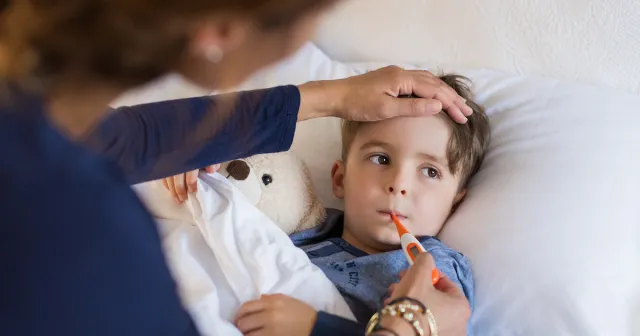
Fresno-area school children start summer vacation in mid-June. Kids go home and have the full summer ahead to play, relax, and enjoy their favorite activities. Winter illnesses like strep throat and the flu aren’t as prevalent, but that doesn’t mean your kids will stay healthy all summer.
Kids are grouped with friends at community pools, summer camps, and backyard treehouses. Knowing what they are and how to prevent them is important. They’re in the woods in tick-laden brush and grass. Knowing the common illnesses and prevention methods helps you avoid frustrating trips to the doctor.
Dehydration and Heat-Related Illnesses
Spending time outside is fun, but there’s the risk of heat-related illnesses like heat exhaustion or heat stroke if they get too hot. The body’s core temperature can get too high, which can become dangerous.
Dehydration is the first concern. As your child plays hard, the body produces sweat to help cool the blood. If your child isn’t drinking enough fluid to replace lost water, they can become dehydrated. Drinking water every hour is a good way to ensure hydration.
Staying cool is also important. This means taking breaks in the shade, going inside to cool off, and drinking enough water. If the core temperature increases, heat exhaustion is a risk. At this point, a cool shower, sitting in front of a fan or AC, and taking it easy are essential.
Once heat exhaustion occurs, you have 30 minutes to cool a child’s body down before heat stroke begins. Heat stroke is severe and can be life-threatening. Organs can start shutting down. Don’t let it reach this point.
The Signs of Heat-Related Illnesses and Dehydration
- Cool, clammy skin
- Dark-colored urine
- Dry lips or dry, sticky mouth
- Extreme thirst
- Fatigue
- Headache
- Muscle cramps
Prevention Tips
Limiting outdoor activities to the cooler times of day is important when Fresno’s highs climb into the 80s, 90s, or hotter.
- Be Active During Cooler Hours: Early morning and after dinner are safer times to be outside. Aim for less strenuous activities or those that take place in water, like a lake or pool.
- Drink Water: Keep a water bottle filled up and make sure your child stops to drink frequently. Electrolyte beverages help restore lost minerals, which is also important if your child is sweating excessively.
- Take Breaks: Frequent breaks to sit in the shade, play in a sprinkler or pool, or go inside to AC are important.
Food Poisoning and Food-Borne Illnesses
Summer backyard barbecues, picnics, and farmers’ markets with food trucks all scream summer to us. But bacteria also thrive in these settings. Bacteria like Campylobacter, E.coli, and Salmonella love the same warm, humid weather.
When perishable foods sit at warm temperatures for as little as an hour, bacteria multiply. Kids are swimming while the food is on a picnic table. Food at the barbecue was cooked, but people sat around while everyone talked or played games. By the time they eat, bacteria can already be a problem.
Kids and older adults are especially susceptible to food poisoning. Kids’ immune systems are still developing. They’re also more likely to forget to wash their hands before handling or eating their food.
The Signs of Food Poisoning
- Abdominal cramping and bloating
- Chills
- Diarrhea (watery or bloody)
- General weakness
- Low-grade fever
- Nausea and vomiting
Prevention Tips
Food safety practices keep your family safe.
- Keep Perishable Items Cold: When packing for a picnic or cookout, raw meats need to be in their own container. They never go in with vegetables, cheeses, and prepared sandwiches. Everything in a cooler needs to be at 40°F or cooler.
- Store Leftovers Quickly: Once food is served, it needs to be put away into a refrigerator or cooler within an hour if it’s 90°F or warmer outside. If it’s under 90°F, put food away within two hours.
- Use a Meat Thermometer: If you’re cooking food on a grill, cook poultry and hot dogs to 165°F, beef burgers and pork chops or ribs to 160°F, and steaks to at least 145°F
- Wash or Sterilize Hands: Before eating, everyone should wash their hands or apply an alcohol-based hand sanitizer.
Hand, Foot, and Mouth Disease (HFMD)
HFMD is highly contagious and common at community pools and playgrounds, summer camps, and water parks. It’s a viral disease that spreads through saliva, fecal matter, and even the fluid from a popped blister.
The Signs of HFMD
- A low-grade fever with a loss of appetite and a sore throat.
- Painful blister-like rash around and inside the mouth.
- Small red spots or blisters on the palms of the hands and soles of the feet. They may also appear on the buttocks and knees.
Prevention Tips
Because HFMD is a viral infection, you cannot treat it with antibiotics. Prevention is the best way to keep your children from getting it.
- Hand Hygiene: Make sure your child washes their hands regularly after touching communal items, such as sunscreen, and before eating or touching their mouth.
- Sanitize Shared Toys and Items: Clean and sterilize pool toys, goggles, balls, and shared camp gear every day.
- Watch for Symptoms: If a child in your neighborhood, camp group, or social circle develops HFMD, make sure the infected child is isolated until the blisters have crusted over and are healing, and the fever is gone.
Swimmer’s Ear (Otitis Externa)
While winter’s ear infections are linked to bacteria from the sinuses, summer’s ear infections are often the result of swimmer’s ear. Fluid gets trapped in the outer ear canal and develops an infection.
That infection causes a build-up of pus and inflammation that narrows the ear canal. The pressure and inflammation are extremely painful and need medications to resolve.
The Signs of Swimmer’s Ear
- Clear, yellowish, or smelly ear drainage
- Itching deep within the ear canal
- Redness or swelling
- Severe pain, especially when pulling the earlobe.
Prevention Tips
Dry the ear canal after swimming using these methods.
Ear Drops: Purchase drying ear drops recommended by a doctor, or use a 50/50 mix of rubbing alcohol and distilled white vinegar. Place a few drops into the ear canal, then tilt the head to drain the drops and water out. Any remaining drops help protect against bacterial growth.
Head Tilts: After getting out of the pool, pond, lake, or ocean, have your child tilt their head to the side while pulling gently on the earlobe. This helps drain any water from the ear canal. Repeat with the other side.
Vector-Borne Illnesses (Tick and Mosquito Bites)
Mountains and stunning national parks like Kings Canyon and Yosemite surround Fresno. Camping and hiking are fun summertime activities, but there are risks from insect bites. Even playing in your backyard can lead to a bite.
Mosquitoes in Fresno carry illnesses such as West Nile Virus (WNV) and Zika virus. Ticks carry Lyme disease, tick-borne relapsing fever (TBRF), and tularemia.
The Signs of Vector-Borne Illnesses
-
- Lyme Disease (Tick): A “bullseye” rash that expands around the bite, accompanied by flu-like symptoms.
- Tick-Borne Relapsing Fever (Tick): Sudden high fever, severe headache, stiff neck, body aches, or an unexplained rash appearing several days after being bitten.
- Tularemia (Tick): Better known as Rabbit Fever, Tularemia is spread through tick and deer fly bites and causes symptoms such as swollen lymph nodes and a skin ulcer at the bite site. A sore throat and a dry cough are also possible.
- West Nile Virus (Mosquito): Most cases of WNV occur without symptoms, though fever and headache may happen. In severe cases, it can cause brain inflammation.
- Zika (Mosquito): Symptoms are mild, if they appear, and cause fever, joint pain, and a rash. It’s dangerous for pregnant women to get Zika, as it can be transmitted to the unborn child and cause congenital disabilities.
Prevention Tips
Avoiding bites is the best way to prevent insect-borne diseases.
- Apply Repellent: Insect repellants containing DEET or Picaridin keep insects like ticks from crawling onto a child. It also repels mosquitoes. Lemon and eucalyptus oil can help keep mosquitoes away.
- Choose Light Colors: Have your child wear light-colored clothing when hiking or walking in tall grass or shrubs. Tucking pants into socks and shirts into waistbands keeps ticks from getting to the skin on the thighs and belly.
- Inspect for Ticks: At night, before a bath or shower, check for ticks in the hairline, groin, behind the ears, behind the knees, and on the neck. Use a tick removal tool to remove the tick safely without causing its head to separate from the body or it to regurgitate, which is how Lyme disease is transmitted.
- Stay Inside During Active Hours: Mosquitoes are most active at dawn and dusk. Avoid being outside at those times if possible.
We’re Here If You Need Care
Your children should be able to spend the summer having fun and going on adventures. By following our prevention tips, we hope they stay safe. If they do develop a common summer illness, Premium Urgent Care’s locations are open all summer. Many of our locations are even open on weekends for your convenience.
You don’t have to wait until your child’s doctor is available. The doctors at Premium Urgent Care can examine and provide treatment while keeping your family’s pediatrician updated. Walk-ins are welcome.