
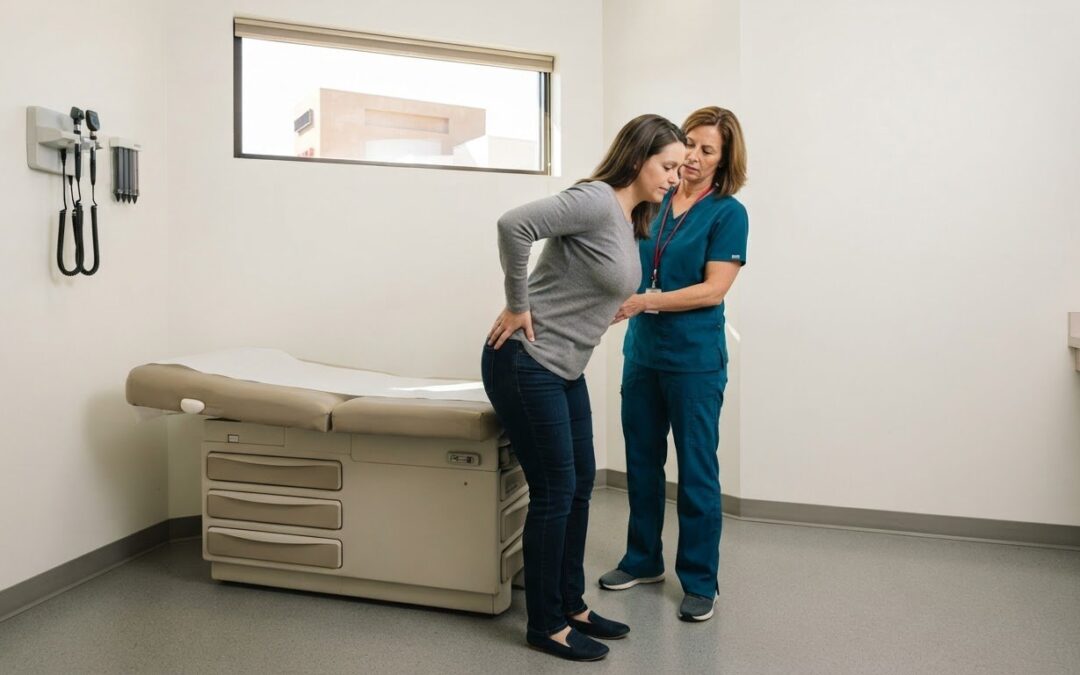
Back pain doesn’t follow one recovery timeline. If you’re seeking back pain relief in Selma, pain may improve after an injection immediately or within a few days, depending on the treatment and condition. The right next steps depend on your symptoms and how they change over time.
Back pain can feel like stiffness, sharp pain, sudden achiness, burning, or a persistent dull ache, and it can disrupt everyday activities. It’s understandable to want clear expectations about care and when to follow up. This article explains how back pain is assessed, what can affect recovery and relief, and when symptoms call for urgent medical attention. You’ll also learn how local urgent care can assess back pain and minor injuries.
Key Takeaways
- Track where your back hurts and which movements affect it; these details can help clarify what recovery support may be useful.
- Relief after an injection may occur immediately or within a few days. Follow-up helps assess how symptoms and daily function are changing.
- Severe or worsening nerve-related symptoms, or concern about a serious underlying condition, warrant clinical assessment; the U.S. National Library of Medicine notes that diagnostic imaging and testing should be arranged in these cases.
- Learn which home-care steps may support comfort and movement, and how to adjust them based on your symptoms.
Injury and illness recovery
Planning care starts with the location, pattern, and possible cause of pain. Middle back symptoms can include stiffness, sharp pain, sudden achiness, burning, or a persistent dull ache. The thoracic spine, which forms the middle back, contains twelve vertebrae. Poor posture, a sedentary lifestyle, herniated disks, osteoarthritis, fractures, and injuries from falls or sports can contribute to pain. Note when symptoms began, which movements worsen them, and whether they limit daily activities. These details help guide a plan that accounts for your needs and mobility.
Physical therapy emphasizes guided movement, strength, and function. The World Health Organization notes that physical therapies can improve muscle strength and mobility and help people resume activity. Chiropractic care uses hands-on spinal techniques, while massage focuses on soft tissues. In wellness circles focused on muscle tone and physical conditioning, non-invasive treatments like EMSCULPT NEO body contouring are also used to help build core muscle definition. Medical care assesses possible causes and may guide further treatment. The right approach depends on your symptoms, medical history, and how pain affects movement.
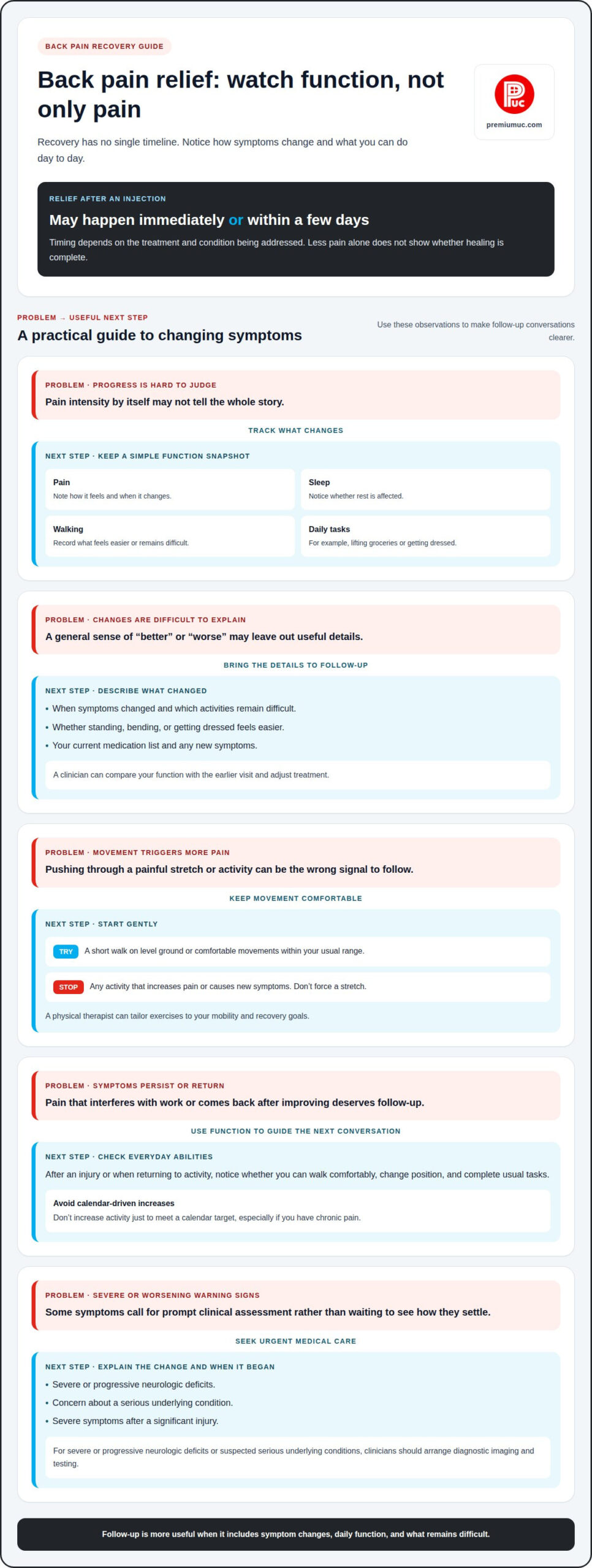
For back pain relief in Selma, try starting with gentle activity, such as a short walk on level ground or comfortable movements within your usual range. Don’t force a stretch, and stop any activity that increases pain or causes new symptoms. A physical therapist can tailor exercises to your mobility and recovery goals.
Care options for back pain relief in Selma include physical therapists, chiropractors, massage therapists, and medical clinicians. Their roles differ: therapy can build movement and strength, while a medical appointment can assess injury, illness, or other causes. People with arthritis may also need pain management that accounts for joint symptoms and daily function.
Urgent care consultations can provide an assessment route for acute back pain in Selma. For severe or progressive neurologic deficits, or suspected serious underlying conditions, clinicians should arrange diagnostic imaging and testing, according to the U.S. National Library of Medicine. Severe symptoms after a significant injury also warrant prompt medical attention.
More than 15 million Americans experience chronic joint pain due to arthritis, and about 30 million people in the United States live with joint pain that limits mobility and affects their quality of life. Physical therapists evaluate and treat muscular, bone, or joint disorders in people of all ages to restore movement and function. Physical therapy can provide pain relief for conditions including headaches, arthritis, and chronic diseases.
The first study reported that about 73% of patients achieved at least 50% pain relief. The non-surgical back pain study reported an 82% responder rate.
Pain relief timing and follow-up
Pain may improve after an injection immediately or within a few days. Timing depends on the treatment and condition being addressed. Less pain alone doesn’t show whether healing is complete. Keep track of pain, sleep, walking, and tasks such as lifting groceries. For back pain relief in Selma, these observations can make follow-up conversations more useful.
At follow-up, explain when your symptoms changed and which activities remain difficult. Bring a current medication list and note any new symptoms. A clinician can compare your function with the earlier visit and adjust treatment. For example, say whether standing, bending, or getting dressed feels easier. These details help focus pain management on recovery goals, including restoring mobility after sports injuries or a strain.
Coverage in Selma depends on your plan’s benefits, network, and the service billed. Participating providers are listed in your plan directory for that treatment, and coverage can vary by plan. Review the directory and benefit details for back care before scheduling. This can clarify how your plan applies to care for back pain in Selma.
Medicines and common treatments have different considerations. Relevant factors include the medication, dose, other medicines, health history, and treatment method. Read medicine directions and share your medication list and health conditions during a clinic appointment. Before physical therapy or hands-on care, describe past injuries and changes in your symptoms so the approach accounts for your medical history.
After a sports injury or when returning to physical activity, monitor your function as well as your pain. Can you walk comfortably, change position, and complete usual tasks? Arrange follow-up if symptoms persist, interfere with work, or return after improving. Don’t increase activity just to meet a calendar target, especially if you have chronic pain.
For a new sprain, strain, or minor injury affecting your back, care for sprains, strains, and minor injuries can provide a route to clinical assessment.
What causes lower back pain and when should you seek urgent medical care?
Lower back pain can begin after a distinct event or develop without an obvious trigger. During an appointment, describe when you first noticed symptoms, such as after lifting a box or stepping awkwardly. Note whether bending, standing, or resting changes the pain. These details give the clinician a clearer timeline and context for assessing possible causes.
An assessment can consider muscles, joints, discs, prior injuries, and health history. A clinician may ask whether pain stays in your lower back or travels elsewhere, and whether daily tasks have changed. Bring a medication list and mention earlier episodes. The pattern, onset, and progression help guide decisions about an examination, treatment, and whether further testing is appropriate. For persistent disc or nerve issues that may ultimately require surgical evaluation, resources like minimallyinvasiveneurosurgerytexas.com provide insights into advanced and minimally invasive spine care.
Seek urgent medical care for severe or progressive neurologic deficits or suspected serious underlying conditions. According to the U.S. National Library of Medicine, clinicians should arrange diagnostic imaging and testing in these situations. Tell the medical team when the change began and how it has progressed. A worsening pattern matters more than one description of pain intensity.
After a fall or sports injury, promptly explain what happened and describe any new limitations. Mention whether you can manage ordinary actions, such as walking across a room or changing position. If symptoms are severe or rapidly worsening, seek urgent assessment rather than relying on home measures alone. Let someone know if movement is difficult.
Before an evaluation, prepare a concise symptom log covering onset, location, changes, and affected activities. Include recent treatment and medications, along with any history of spinal conditions or prior procedures. Ask what changes require reassessment and what follow-up interval fits the findings. A clear timeline can distinguish a new episode from symptoms that returned after improvement. In Selma, seek urgent assessment for serious symptoms like those described above; routine follow-up can address persistent or recurring pain.
Herniated disks, osteoarthritis, joint fractures, and severe injuries such as falls, car accidents, or sports injuries can cause middle back pain. Medical Center Plus identifies pregnancy, severe osteoporosis, spinal fractures, tumors in or near the spine, spinal hardware or prior fusion, and severe nerve damage as reasons to generally avoid spinal decompression therapy or consult a doctor first. Globus Medical projected combined net sales of 2.8-2.9 billion after its $250 million acquisition deal for Nevro.
What are evidence-based home remedies for back pain relief?
Start with a simple activity plan rather than prolonged bed rest. For example, take a short, comfortable walk around your home, then note how your back responds. Change position regularly during desk work or while watching television. If bending to load laundry aggravates symptoms, keep the load close and avoid twisting while lifting. These observations help identify which daily movements feel manageable.
Gentle movement can be part of home care. Try comfortable range-of-motion movements, such as slowly bending your knees while lying down or walking at an easy pace. Keep each movement controlled, and stop if it sharply increases pain or brings on a new symptom. The World Health Organization notes that physical therapies can improve muscle strength and mobility and help people resume physical activity and exercise. A home routine should fit your current ability, not a fixed target.
- Choose a brief walk on level ground and observe your comfort afterward.
- Alternate sitting, standing, and walking during routine tasks.
- Write down movements that increase pain, such as reaching or twisting.
Use a symptom note to guide adjustments. Record the activity, body position, and whether pain changed during or afterward. For example, if sitting through a meal feels difficult, try standing briefly or changing chairs. Keep movements within a comfortable range. Forcing a stretch to reach farther doesn’t provide a useful measure of progress. Resume household tasks in manageable steps, such as preparing one meal before carrying heavier items.
Keep the routine consistent enough to notice patterns, but adapt it when symptoms change. Avoid adding strenuous exercise while ordinary movement is difficult. If pain continues to limit walking, dressing, or work tasks, a medical assessment can help determine appropriate next steps. Arrange a medical assessment for back pain that needs clinical attention.
Premium Urgent Care: Colds, cough, and upper respiratory infections
Premium Urgent Care provides urgent care consultations for acute health concerns that need medical assessment. If back pain disrupts your daily activities or changes, a consultation can help you discuss your symptoms and appropriate next steps. Describe when the pain began, which movements affect it, and any recent injury. Seek emergency medical attention for severe or progressive neurologic deficits or suspected serious underlying conditions.
The clinic also treats colds, coughs, and upper respiratory infections, as well as ear and sinus infections and urinary tract infections. These services address specific acute concerns and are separate from ongoing chronic disease management. Bringing a current medication list and a concise symptom timeline can help make your appointment more focused.
Contact Premium Urgent Care to discuss your care.
Take the Next Step Toward Steadier Recovery
Make your next step specific: choose a daily activity you want to manage more comfortably, then note what currently gets in the way. This gives a clinician a practical starting point for discussing care and follow-up. For back pain relief in Selma, track changes in function as well as how your symptoms feel, and share them during a medical assessment.
Premium Urgent Care provides urgent care consultations, as well as care for colds, coughs, and upper respiratory infections, ear and sinus infections, and urinary tract infections. These services support patients with acute concerns that need medical attention. If you have another health concern alongside back pain, describe each issue clearly so the visit can address why you’re seeking care.
Choose a next step that fits your symptoms and recovery needs. Contact Premium Urgent Care to discuss care. A clear plan can help you move forward with greater confidence.