
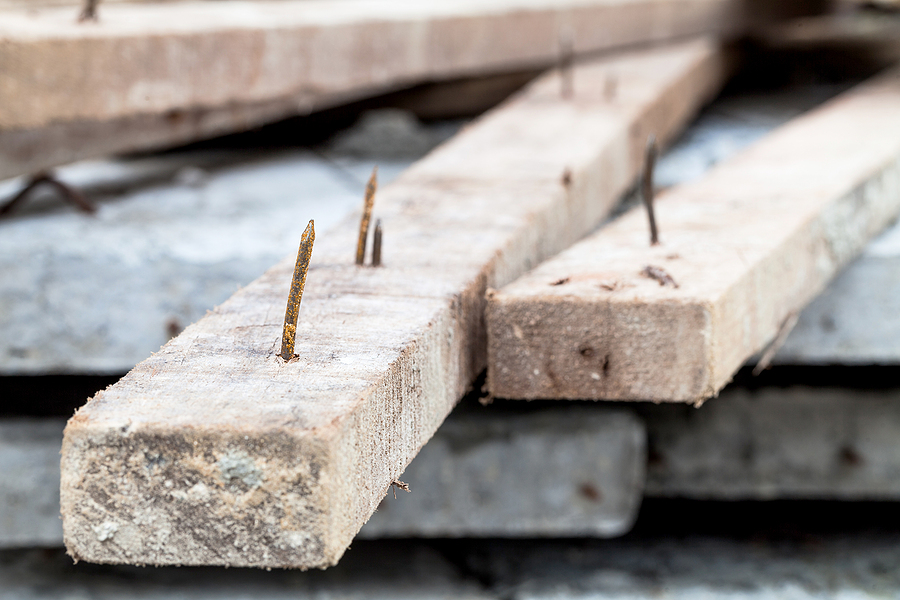
What was a great day suddenly turns into a stressful one. You’re walking barefoot on your deck and feel a splinter of wood go deep into the ball of your foot. You’re walking across your yard in flip-flops and step on an old, rusty nail. You might be walking on the beach and step on broken glass.
Not only are you in pain, but you don’t know what to do next. Do you pull the nail out or rush right to urgent care? Do you remove the glass? What happens if the large splinter doesn’t come out easily?
Puncture wounds often seem insignificant, but they can become a big issue. While the puncture may not bleed, there can be significant tissue damage and potential bacterial contamination, which puts you at risk of a long recovery if it’s not treated properly.
The team at Premium Urgent Care has created a helpful guide on what to do when you’ve stepped on a nail or another sharp object. Learn how to clean it, what the potential risks are, and when to see a doctor.
First Aid Tips to Use After the Initial Injury
You felt the object penetrate your skin, whether it was through a shoe or not. Drop everything and focus on wound care. Follow these steps.
- Object Removal: Remove the item if you can. If it’s near or in a major blood vessel, go straight to the emergency department or call 911. Removing an object from a major blood vessel is like removing a cork from a champagne bottle.
- Encourage Bleeding: If you have removed the sharp object, let the puncture wound bleed. It helps wash out any bacteria, dirt, and foreign particles.
- Flush With Saline: Use saline to flush the puncture. If you don’t have it, wash it under running water with a mild soap for 10 minutes. Hydrogen peroxide is not advised. It used to be a go-to in many homes, but it damages tissue, which impairs healing. Avoid it!
- Check for Debris: Now that the bleeding has stopped and you’ve washed the puncture, check your foot for remaining debris. Use a flashlight to get a good look at the area. If you see anything, try to get hold of it with tweezers. If it’s too deeply embedded, you’ll need to see a doctor.
- Clean and Dress: Now that you’re certain the puncture is clear of any foreign particles, it’s time to dress it. Apply an over-the-counter antibiotic ointment and cover with a sterile bandage.
Once that’s done, you could sit with your foot elevated. If you have things you must do, wear a padded shoe to avoid putting excess pressure on the puncture.
Understand the Potential Infections and Illnesses
You don’t have a lot of padding on your feet. When an object punctures it, it pushes foreign objects and germs through the skin’s layers into the underlying fat and muscle. The risk of infection and possible illnesses/conditions is higher.
These are the potential infections and illnesses that can result from a puncture wound to the foot.
Pseudomonas Aeruginosa
If you step on a sharp object while wearing sneakers or rubber boots, Pseudomonas Aeruginosa is a known complication. It’s a type of bacteria that thrives in warm, moist footwear.
As the object passes through the sole and liner, it picks up the Pseudomonas spores and pushes them deep into your soft tissue. From there, you’re at risk for:
- Osteomyelitis: A hard-to-treat bone infection
- Plantar Space Abscesses: An infection trapped in one of the muscular compartments on the bottom of the foot.
- Pseudomonas Cellultis: A fast-spreading skin infection
Staphylococcus (Staph)
Staphylococcus is a bacterium that sometimes sits on the surface of your skin. When you get a puncture wound, bacteria enter the wound and spread into the tissue.
It causes a localized infection that causes an abscess with pus, a high fever, and red streaks from the infected area. Antibiotics are needed to treat the infection. Sometimes IV medications are necessary for severe or MRSA infections.
Tetanus
Lockjaw or Tetanus occurs when Clostridium Tetani enters a puncture wound. This bacterium is found in some animal feces, dirt, and dust.
Once in the wound, low oxygen levels encourage the spores to germinate and produce tetanospasmin, a neurotoxin. Tetanospasmin blocks nerve signals, causing painful muscle spasms in the jaw and neck. Eventually, these spasms can lead to respiratory arrest.
It can be a week or two before you know you have tetanus. The best way to avoid lockjaw is to make sure your tetanus shot is up to date.
There are several myths surrounding tetanus that lead people to ignore it.
- Myth #1 – It’s a Clean Puncture, so You’re Safe: You can’t see the microscopic spores. You can still develop tetanus, even if it wasn’t a dirty wound.
- Myth #2 – Rust Causes Tetanus: This isn’t true. Soil carries the bacteria. You could get tetanus from a brand new nail that’s sitting on dirt carrying the bacterium.
- Myth #3 – The Wound Bled, so It Washed Away the Bacteria: Bleeding does help wash out some of the debris, but you have no way of knowing that the microscopic pores are gone.
- Myth #4 – You Have the Tetanus Shot, so You’re Fine: The tetanus vaccination does help lower the risk, but it loses its protective nature over time. If it’s been eight years since your last tetanus booster, you could end up with lockjaw.
When Urgent Care Is Essential
Your puncture wound stopped bleeding. You washed it, applied antibacterial ointment, and covered it with a bandage. You’re set, right? It’s not that simple. Some puncture wounds to the feet develop complications while healing.
Come to Premium Urgent Care if you experience or have any of the following:
- Chronic Health Conditions: You have underlying health issues like diabetes or are immunocompromised, which can impede healing or increase the risk of complications.
- Foreign Body: A piece of glass, part of the shoe’s rubber, or a splinter is still in your foot.
- Infection: The area around the puncture site is red, warm, and swollen. You might notice pus or foul-smelling drainage, red streaks travel up your ankle, or you have a fever.
- Object Went Through Your Shoe: If a nail, glass, or other object pierced the sole of your shoe and into your foot, there’s a risk of a specific infection that may require antibiotics.
- Outdated Vaccine: Your tetanus vaccine was given more than five years ago, or you don’t know when your last shot was.
- Unable to Bear Weight: It’s been a few hours, and your foot is in so much pain that you cannot put weight on it.
The bottom line is to clean and dress the puncture if it’s small and doesn’t hurt when you stand. Make sure you check when your last tetanus shot was, and head straight to urgent care if it’s been too long.
Most puncture wounds are easy to care for at home, but it’s always better to come to urgent care to avoid complications or hard-to-treat infections. You don’t need an appointment. Walk in and see a doctor today, even on weekends.