
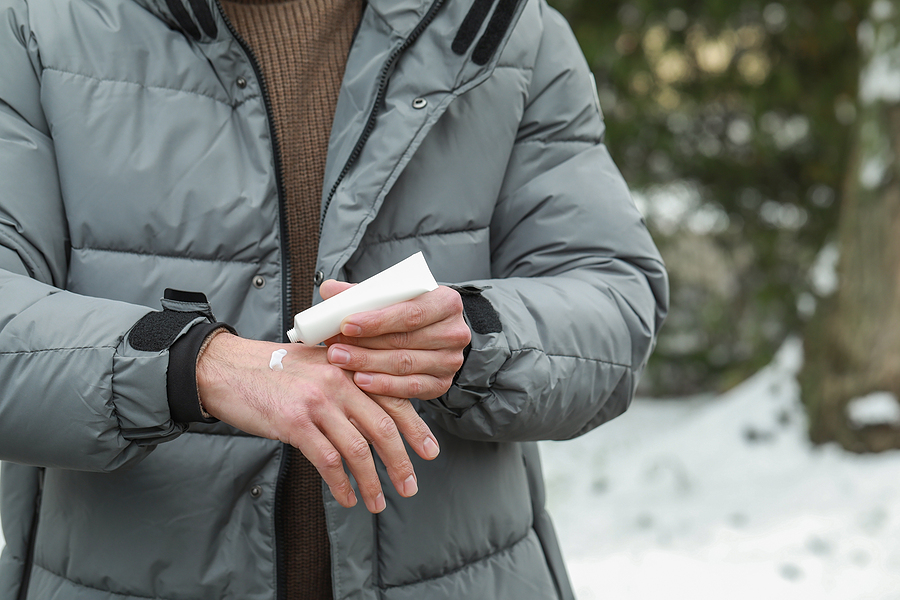
Winter heating systems dry out the skin, which is understandably irritating. However, that’s not the only reason for winter skin irritation. Five of the most common skin conditions are:
- Acne vulgaris – Acne caused by bacteria, clogged follicles, excess oil production, inflammation, and hormonal activity.
- Actinic keratosis – Scaly, rough patches that are precancerous and caused by chronic sun exposure.
- Benign neoplasm – Noncancerous cells that form masses that may press on organs, causing discomfort.
- Contact dermatitis – Skin allergies that are triggered when you encounter an allergen, such as exposure to a specific cosmetic ingredient like parabens or a metal like nickel.
- Epidermoid cyst – Skin cells that move under the top layer of skin and form a cyst wall that holds keratin.
While these skin issues may seem urgent, they’re often harmless. Many issues can be resolved with a few changes to your lifestyle or skincare routine. Sometimes, they’re more concerning.
Fresno residents face issues beyond dry air that affect skin health. Tule Fog occurs when cold air is trapped under a warmer layer. Fine particulate matter (PM) from heating systems, such as wood stoves, or vehicle exhaust, is trapped between the layers. That increases air pollution, which affects your respiratory system, and it also gets into your skin cells.
Skin Conditions Requiring Medical Attention
Knowing when skin’s bumps, flakiness, and cracks are simply uncomfortable versus concerning is important. Explore the top skin issues in Fresno that require a medical evaluation.
1. Cellulitis
If you have a cut, scratch, insect bite, or crack in your skin and bacteria (staphylococcus or streptococcus) enter the skin, an infection may occur. It’s most likely to appear on the lower leg. Symptoms of cellulitis are:
- Body aches
- Chills
- Fatigue
- Fever
- Red, swollen, warm, painful areas of skin
If you notice these signs, go to urgent care. You need oral antibiotics to treat the infection. Severe infections may cause a rapid heart rate, confusion, or a high fever, so you want to treat them ASAP.
2. Eczema
Atopic dermatitis (eczema) is a chronic skin condition that’s caused by an allergic reaction to a plant, environmental factors like smoke or pollution, or ingredients in soaps and skincare products. It’s not contagious, but it’s irritating. Symptoms include:
- Cracked, dry skin
- Crusty, oozing patches
- Itching
- Raw skin from excessive scratching
- Thickened skin patches
While you can often manage eczema through lifestyle changes, you should see a doctor if the skin shows signs of infection, such as pus. If it’s affecting your daily life, sleep, or self-care, or if self-care measures aren’t helping.
3. Impetigo
Impetigo is a bacterial skin infection (staphylococcal or streptococcal) that most commonly affects children and spreads easily. The bacteria enter the skin through small cuts or scrapes. Dry, chapped skin increases the risk.
The other problem is that winter jackets, gloves, mittens, and scarves aren’t typically washed after each use. The bacteria survive for weeks on fabric, and hot, dry air – think clothes dryer – is best at killing them.
Impetigo is treated with antibiotics. It takes up to 48 hours for the medication to kill the bacteria. If your child has yellowish, crusty sores, it’s essential that you see a doctor for diagnosis and a prescription for an antibiotic.
4. Psoriasis
Psoriasis is an autoimmune condition in which the immune system attacks healthy skin cells. Genetics play a role, but stress, medications, and environmental factors can also trigger flare-ups. Symptoms include:
- Discoloration or silvery, scaly skin
- Dry, cracked skin
- Itchy, burning skin
- Joint pain
It’s important to see a doctor for a proper diagnosis and to rule out other conditions. If it is psoriasis, oatmeal baths can help ease itching and loosen scaly skin. Moisturizing your skin and using over-the-counter hydrocortisone creams can help alleviate discomfort.
If those don’t work, your doctor may prescribe topical steroids, biologics, oral systemics, or light therapy.
5. Valley Fever
The Fresno area is known for having Coccidioides fungal spores in the soil. If you inhale these spores, you are at risk of valley fever. About 40% of people who come into contact with the soil develop the illness.
Symptoms often mimic the flu and appear up to three weeks after exposure. Common symptoms include:
- Cough
- Fatigue
- Fever
- Headache
- Joint pain
- Muscle pain
- Night sweats
- Rash on the legs or upper body
- Shortness of breath
Most cases of valley fever resolve without medication within a few months. It’s important to see a doctor to determine whether antifungal medication is appropriate, especially if 10 days have passed and symptoms haven’t improved.
Although it’s not contagious, it can cause infection if spores enter the epidermis through cuts or through dry, cracked winter skin. An infection requires medical attention.
Improving Skin Health Through Lifestyle Changes
Cover up when you’re outside, especially if you live near construction sites or farm land that’s frequently tilled. Gardening in your backyard is another risk, so wear gloves and long-sleeves.
Use this Winter Skincare Checklist to protect your skin.
Morning:
- Use a pH-balanced, hypoallergenic body wash.
- Apply a Vitamin C serum.
- Cover your skin with a hyaluronic acid, unscented moisturizer.
- Protect your lips with a sunscreen balm.
- Finish with sunscreen with an SPF of 30 or higher.
Evening:
- Wash your face with an oil-based cleanser, then with your usual cleanser.
- Apply a nighttime moisturizer.
- Use a lip ointment to replenish moisture overnight.
Weekly or Monthly:
- Check your body each month for new lesions or rashes.
- Inspect air filters in air purifiers or HVAC systems and replace them if they are dirty.
- Refill any prescriptions your doctor gave you.
- Use an exfoliating product once a week.
- Wash makeup brushes every week.
- Wash pillowcases and change bedding once a week to reduce bacteria.
Throughout the day, stay hydrated. Drink plenty of water, seltzer, or herbal tea. Limit sugary drinks, such as soda or sugar-sweetened juices. Eat foods rich in antioxidants, too, such as leafy greens, berries, citrus fruits, and tomatoes. Keep a journal of any rashes and what you did the day before the rash appeared.
When to Go to Urgent Care
Use the acronym PAIN to determine when to go to urgent care and to guide medical diagnosis and treatment options. PAIN stands for:
- Purulence (Infection) – Crusting, oozing, or pus coming from the rash or irritation.
- Aches – Joint pain or flu-like symptoms that occur with a rash.
- Intensity – Pain or itching that keeps you from your usual activities.
- Network – Redness expands or streaks rapidly.
Premium Urgent Care is open longer than most doctors’ offices and offers weekend care, too. No appointment is required. Simply walk in, and you’ll be added to any line, if there is one. You can jump ahead by checking in before you arrive.
Telemedicine visits are another option. If you have a phone, laptop, or tablet with a video camera, show your rash to the doctor online and get a medical opinion without leaving your home. Premium Urgent Care is also available for telemedicine visits.